

With the Alabama Insurance Guaranty Association (AIGA) facing unprecedented budgetary shortfalls, the state’s employers and injured workers could reportedly be left with unpaid claims in the event of insurer insolvencies unless the fund can increase assessments on insurers writing comp business.
“Even in financially tough times, insurers operating in Alabama want to step up to the plate and not leave the state’s employers and injured workers holding the bag for unpaid liabilities,” said William Stander, regional manager for the Property Casualty Insurers Association of America (PCI). “Because of current and potential insurer insolvencies and the instability of the guaranty fund, this is a very real possibility unless the AIGA is allowed to increase assessments.”
The AIGA, which pays policyholder claims when a workers’ comp insurer becomes insolvent, is currently facing a shortfall that could leave the fund unable to meets its obligations, Stander said. Last year insurers supported H.B. 577, a bill that would allow the AIGA to increase its assessments from 1 percent of an insurer’s net premium to 2 percent for a period of five years. However, political wrangling stalled the bill in the legislature.
By law, states are required to have a guaranty fund that will pay the policy claims of insolvent insurers. Such funds are supported by assessments on solvent insurers doing business in the state. In a worst-case scenario, if claims on a guaranty fund outstrip its assessment capability, injured workers could reportedly find their claims pro-rated, delaying receipt of due compensation and even reimbursement for needed medical care.
“The two-percent cap is consistent with laws in most other states, and is recommended by a model bill adopted by the National Association of Insurance Commissioners (NAIC),” Stander added. “This approach is a sensible way to help pump up the AIGA without adding an unduly burdensome assessment on solvent insurers.”
PCI members write 41.6 percent of all property/casualty insurance in Alabama.
Was this article valuable?
Here are more articles you may enjoy.
 Oil Tankers Go Dark to Sneak More Barrels of Oil Through Hormuz
  Acrisure Goes After Former Owners of Businesses it Acquired for Leaving to Compete
 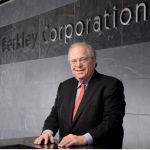 WR Berkley Founder and Executive Chairman Dies at 80
  CSU Adjusts Atlantic Hurricane Season Forecast Due to Emerging El Nino

