
Having spent more than 20 years in the industry, including a decade focusing on builder’s risk, I have seen the market shift numerous times over the years.
In my opinion, here’s what lies behind the three biggest factors currently influencing Builder’s Risk:
Project stagnation
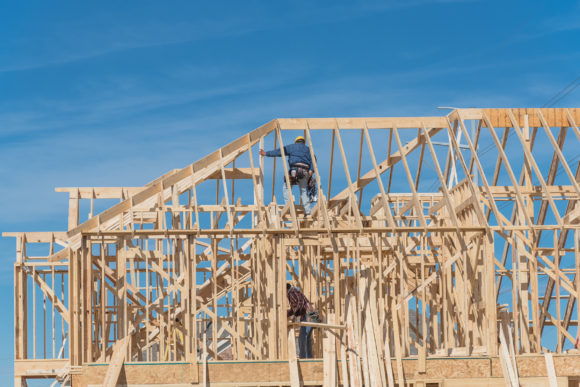
The number of submissions for Builder’s Risk are up compared to recent years, but the time from quote to bind is considerably longer. In DUAL’s experience, a project used to take 90 days to bind and that has now stretched out substantially further.
Uncertainty is at the heart of stagnation. Tariffs and other geopolitical factors are disrupting supply chains from China and the Strait of Hormuz as well as increasing costs of materials across the builders’ risk space. For example, lumber is typically sourced from Canada and tariffs have increased prices by roughly half prompting builders to delay project starts in hopes these tariffs will ease. Other issues are more item specific. The global rush to construct data centers has added to the power demand which has resulted in a five-year lead time for combined cycle turbines, meaning any contingent BI loss tied to that delay could be potentially catastrophic.
‘Spicy’ loss ratios
Despite being in a soft market, loss ratios are still running high. Builder’s Risk claims always occur many months after policy inception and project delays are stretching timelines out even further. Underwriters need to remain disciplined and recognize the loss ratio impacts of today’s decisions may not impact carriers for a couple of years. Brokers have an important role in keeping underwriters apprised with up-to-date information regarding what they are seeing from clients and the building market in general.
Arson remains a significant loss contributor with many claims stemming from ‘not-in-my-backyard’ arson-related incidents. Recently, Salt Lake City UT and Aurora CO have seen a spate of arson attacks on developments. Several carriers have also cut their security requirements due to the soft market, and this could lead to future higher loss ratios.
Generational change
It is great to see large numbers of younger insurance professionals, both brokers and underwriters, choosing to specialize in the niche. The generational shift and current market conditions are spurring increased creativity. There is more ‘out-of-the-box’ thinking across all disciplines, including some clever use of AI.
People new to the sector should be aware that the current surplus of capacity is not likely to last, and it is important to build strong, stable partnerships with carriers for the long term. This has always been a key focus at DUAL.
How people are building relationships across the industry is changing too. Creativity and innovation has focused on unique activities such as cooking classes, yoga sessions, and using AI to help plan different activities. While the activities may be changing, fundamentally, underwriting remains a people business. One focused on connection which builds trust through the underwriting cycle that creates good outcomes for the client, broker and underwriter.
Like all insurance products, the market runs in cycles. Being aware and on top of the drivers of each current cycle and understanding how the market has reacted to these drivers historically , improves decision making going forward.
Was this article valuable?
Here are more articles you may enjoy.
 Reuters: DXC in Advanced Talks to Sell Insurance Software Unit for $2.4 Billion
 Home Insurance Tops Property Taxes in Squeeze for US Households
 EU Cyber Agency Warns Websites May Go Dark as PHP Prepares Critical Fix
 KCC Says Isaias Insured Losses to Be $3 Billion; AM Best Calls Storm an Earnings Event