

A Florida appeals court decision, reinterpreting a 32-year-old workers’ compensation statute, could now mean a longer statute of limitations on many injury claims and may lead to the reopening of many cases around the state.
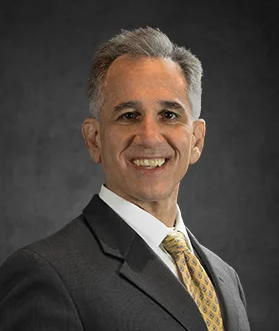
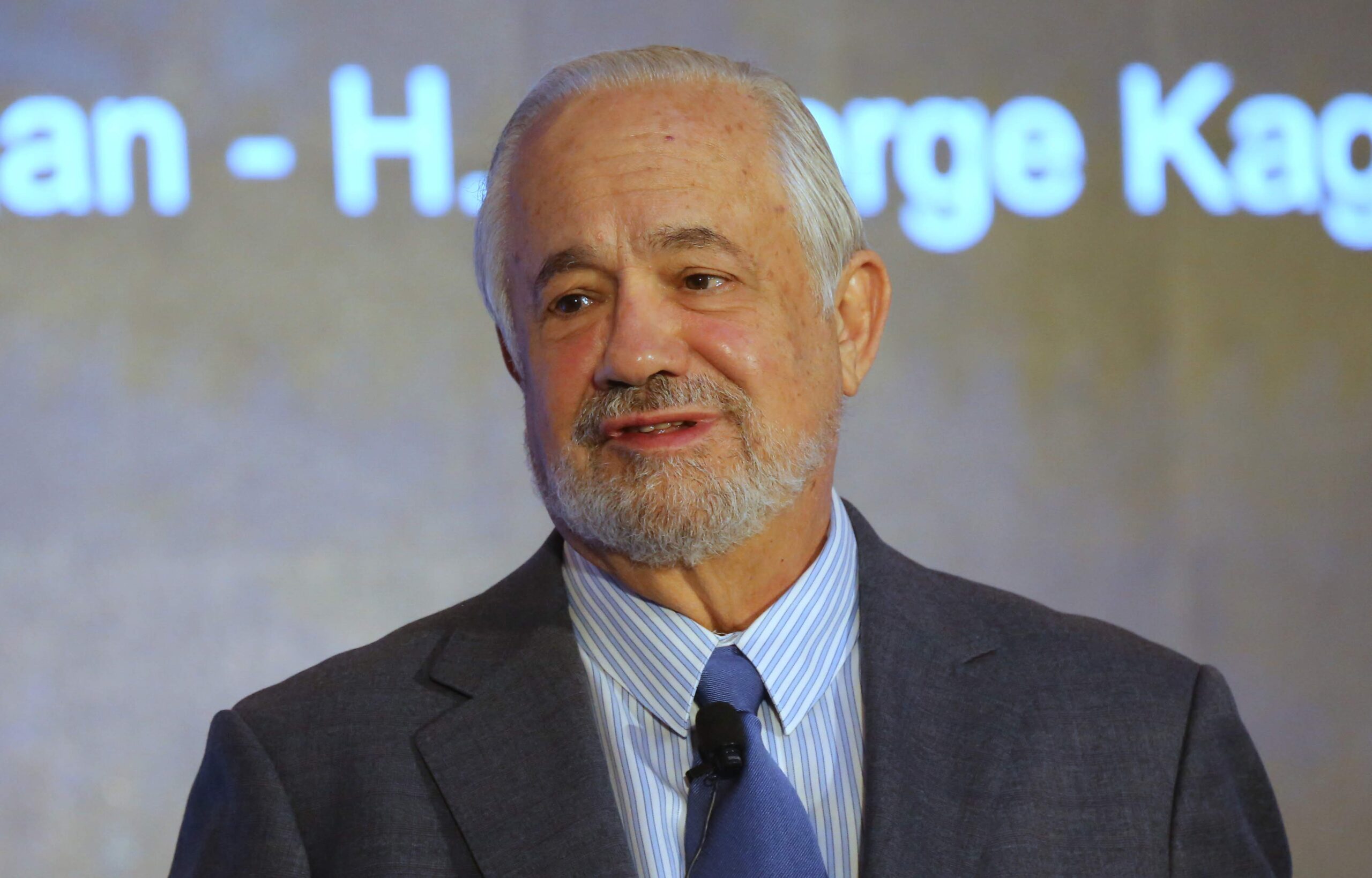
The lead claimants’ attorney in the case, Randall Porcher, of the Morgan & Morgan law firm, wrote in his appeal brief that the impact of a “two clocks” statute of limitations will be largely prospective, mostly affecting pending and future claims for permanent disability. Defense lawyer George Kagan, who was not involved in the litigation, agreed that most old claims cannot be revisited, but hundreds of pending claims will be governed by the new interpretation.
But others in the state, including an insurance defense attorney and an Orlando plaintiffs’ lawyer, said some major headaches are ahead for employers and comp insurers who believed that many claims had been laid to rest.

“The case will have enormous implications, and I think there are probably thousands of cases where claimants have been erroneously advised that their cases have been closed, due to (the) statute of limitations, that will now be viable,” said Geoff Bichler, a claimants’ attorney who represents first responders and other injured workers around the state.
Bichler said his firm already has begun canvassing some of the larger labor unions in the state to identify claims that had been denied under the previous reading of the statute of limitations.
The case is known as Estes vs. Palm Beach County School District, arising from a teacher who was injured tripping over a broken handicap ramp in 2021. In its March 23 opinion, viewable here, Florida’s 1st District Court of Appeals overturned a compensation court judge and found that for three decades judges had been misunderstanding the law as written.
Florida’s 1994 change to the workers’ comp statute of limitations is a tricky one, many in the Florida comp arena agree: It gives injured workers two years to file a claim – two years from the date the employee knew or should have known of the injury. But the law also “tolls” the statute of limitations for one year, from the date of the last benefit payment or medical treatment.
The Estes case turned on the exact meaning of the word “toll:” Does the law mean the two-year limitation clock must be paused—or should it be extended and restarted, giving claimants much longer to contest denials or ending of benefits.
For years, stakeholders have largely adhered to the court interpretations from 1999, which essentially held that the two-year clock was stopped once the one-year clock was started. But the 1st District Court last month said differently: The two-year statute can start again, one year after the last medical treatment or indemnity benefit payment.
In the Estes claim, the insurer had stopped benefits in 2023, contending that Estes’ continuing knee pain was the result of arthritis, not the work injury. The teacher then filed an additional petition for benefits in 2024, seeking a change in treating physician.
“In other words, the date of Estes’ PFB (petition for benefits) fell squarely within the running of the two-year limitations-period clock, which wouldn’t have expired until January 2026 under these facts,” appeals court Chief Judge Timothy Osterhaus wrote for the majority of the court.
In reaching its decision, the majority of the court acknowledged that it is overturning decades of court rulings and practice.
“Here ‘we have chosen to reassess a precedent and have come to the conclusion that it is clearly erroneous,'” the en banc opinion notes, quoting from a previous court decision.
The Estes ruling was not unanimous. Two 1st District appeals judges penned strong dissents, noting that the decision will force employers and carriers to utilize a complicated limitations approach that requires multiple timers.
“The majority unnecessarily recedes from our easy-to-apply precedent, installs a regime that will be difficult if not impossible to apply in workers’ compensation cases, and potentially eliminates the statute of limitations in many cases,” 1st District Judge Ross Bilbrey wrote in his dissenting opinion.
Bilbrey went so far as to create a chart, spelling out the complexity that employers and insurers will now face. Under the previous case law, carriers had to keep up with just a few key dates. With the new rules, as many as six timeframes must be considered, essentially extending the two-year statute of limitations farther into the future.
It’s known as the “two clocks” statute of limitations. Kagan and others in the workers’ comp legal field said that, at the least, it will complicate some claims.
“‘Two clocks’ is now the law,” defense attorney Kagan wrote in a recent blog post. “It will forever change the way we calculate the passage of time and entitlement in workers’ compensation claims and cases—until and unless the Legislature later says otherwise.”
Countdowns started on the date of a workplace accident will now be continually suspended by each follow-up medical visit or indemnity payment, he noted.

“Yes, this can go on indefinitely. Yes, this requires a whole new way of timing everything,” Kagan wrote.
Since the opinion was published, there’s even been talk of devising computer software that will help employers and insurers keep track of the various deadlines.
It’s unlikely that the appellate court decision will be overturned by the Florida Supreme Court, lawyers said. That’s because the idea of rolling back the court precedent and utilizing the two-clocks approach sprang in part from Adam Tanenbaum. While a 1st District appeals judge, Tanenbaum in 2024 wrote a concurring opinion in a case known as Ortiz vs. Winn-Dixie, espousing the two-clocks idea.
While Tanenbaum’s opinion in that case did not carry the weight of law, he is now a justice on the state Supreme Court and is considered the workers’ compensation authority there. That suggests any appeal ruling would uphold the multiple-timer regime, lawyers said.
Was this article valuable?
Here are more articles you may enjoy.
 ‘Unusual’ Isaias Brings Winds, Downed Trees But Fewer Claims Than Expected
  Uninsurable Future: Managing the Climate-Change-Fueled Home Insurance Crisis
  Friend of Suspected FBI Data Thief: ‘Crazy’ Teen Warned Not to Hack Bureau
  Agency Duties – Legal vs. Ethical