

The California Supreme Court has granted review to consider when and if evidence of industry custom and practice is admissible in a strict products liability action.
In Kim v. Toyota Motor Corp. plaintiff William Jae sued Toyota for injuries Kim suffered when his pickup truck left the road.
Kim lost control of his 2005 Toyota Tundra pickup truck on April 10, 2010 when he swerved to avoid another vehicle on the Angeles Forest Highway, drove off the road, and suffered severe injuries. Attorneys for Kim alleged the vehicle was defective because it lacked electronic stability control, a feature that assists the driver in maintaining control of the vehicle.
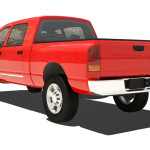 The Court of Appeal held the defendant was properly permitted to introduce evidence that it was not customary in the automotive industry to include ESC in trucks at the time. The court observed that such evidence may be relevant to the risk-benefit test for defect.
Given complexity of the questions about incorporating ESC into vehicles, the Court of Appeal also held that the case was properly submitted to the jury under the risk-benefit test and not the consumer expectations test.
Topics California Auto
Was this article valuable?
Here are more articles you may enjoy.
 All in the Family: Husband, Wife and Daughter Indicted for Insurance Fraud and Bribery
  AM Best: Social Inflation Drives Surge in Commercial Auto Liability Claims
  Former Trident Reciprocal CEO Ordered to Pay $468K in Attorney and Arbitrator Fees
  How Federal Ban on Intoxicating Hemp Products Will Reshape Risk, Coverage

