

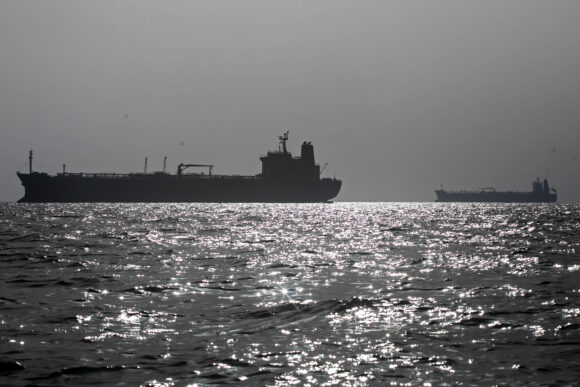
Iran told the United Nations’ shipping agency that it has authority over parts of the Strait of Hormuz, the waterway that’s a centerpiece of peace talks between Washington and Tehran.
“Parts of the Strait of Hormuz fall within the territorial waters of the Islamic Republic of Iran,” the country said in a document submitted to the International Maritime Organization, the UN agency charged with overseeing shipping. “Under the international law of the sea, a coastal State exercises sovereignty, jurisdiction and sovereign authority over its territorial sea.”
Iran’s efforts to control Hormuz, and ultimately charge fees for ships that cross it, are being closely monitored by the shipping industry and the country’s neighbors. US Central Command has said that its forces would support freedom of navigation, “without any arbitrary requirement claims or impediments.”
The document didn’t set out which parts Iran claims control over, or state whether using alternative routes was acceptable to Tehran.
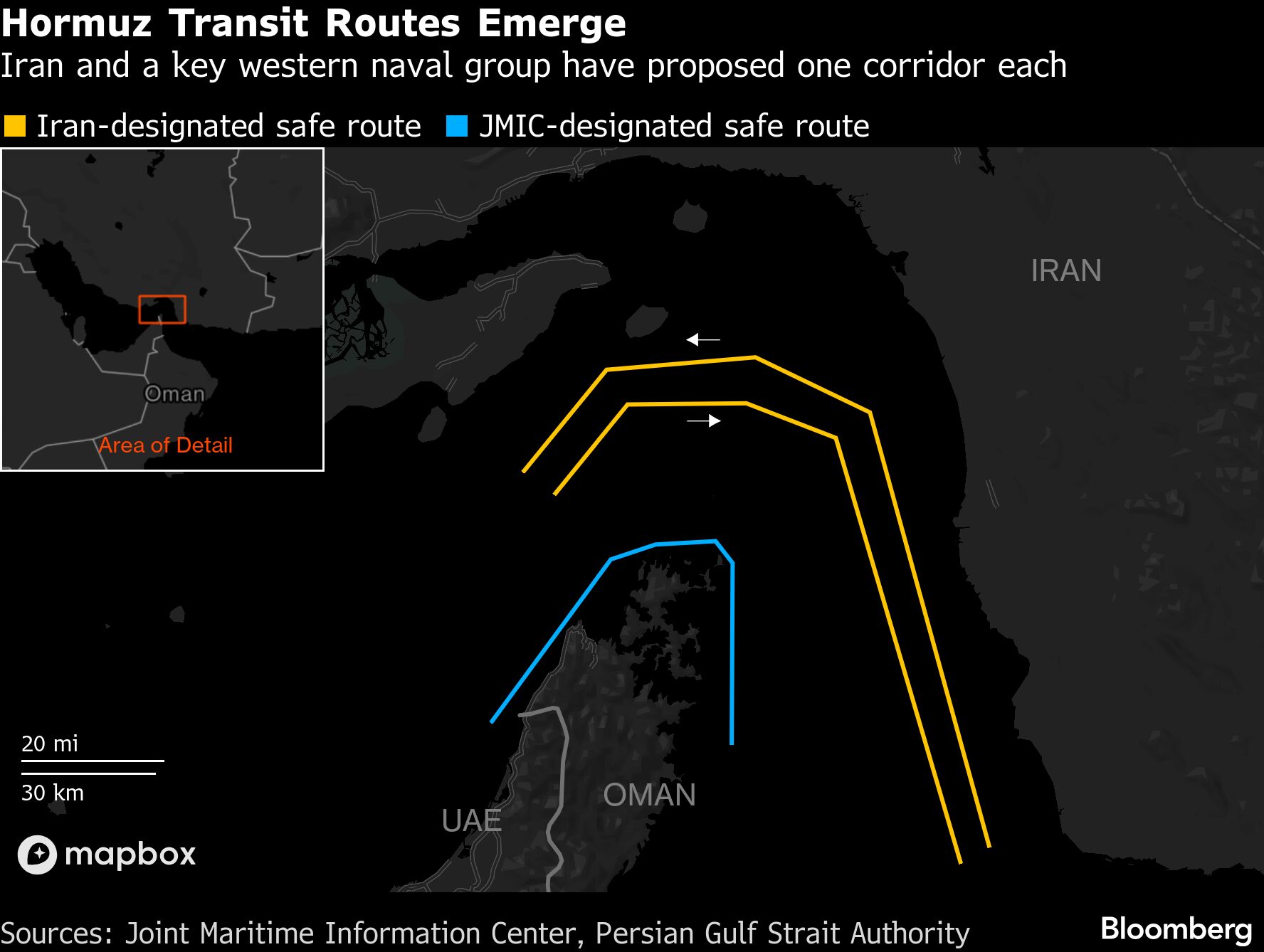
However, it comes at a time when there have been multiple attacks on merchant vessels using a corridor through Hormuz that hugs Oman’s coastline, undermining owners’ and crews’ confidence about navigation. At least four commercial ships have been attacked there since Tehran and Washington agreed an interim peace deal.
The IMO’s Council is meeting this week at the organization’s headquarters in London, with the “protection of vital shipping lanes” on the agenda.
The IRGC has said multiple times, including since the peace pact was signed, that ships need its permission to cross. Iran has also set up an organization called the Persian Gulf State Authority to oversee transit.
Iran’s document also rejected a proposed Council declaration, put forward by multiple countries, including France, Germany and the United Arab Emirates, focused on the impacts of “unlawful activities” of Iran, including in and around the Strait of Hormuz.
Iran pointed out that it’s not a party to the United Nations Convention on the Law of the Sea, the main piece of legislation governing transit through international straits.
Related:
- Iran Says Ship Ran Aground in ‘Unauthorized’ Hormuz Transit
- Iran Ratchets Up Talk of Controlling Hormuz Before New Talks
- Hormuz Traffic Drops Off as Vessel Attacks Raise Fresh Concerns
- Oman Tells Allies Ships Going Through Hormuz May Have to Pay
Was this article valuable?
Here are more articles you may enjoy.
 AI Models May Soon Self-Replicate Across Smart-Home Devices, Anthropic Warns
  Florida Supreme Court Approves Board Certification in Insurance Law
  Friend of Suspected FBI Data Thief: ‘Crazy’ Teen Warned Not to Hack Bureau
  AI Bubble Risks Worst S&P 500 Crash Since 2008, Strategist Says

