

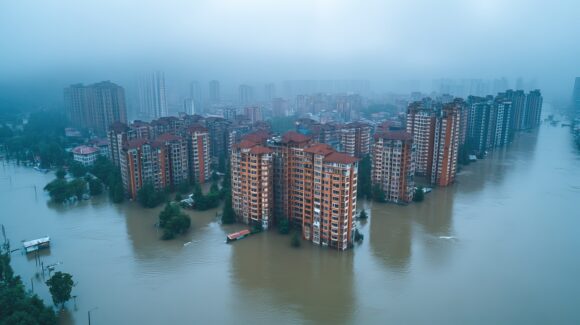
A meter of sea level rise by 2100 would affect more than 14 million people and $1 trillion worth of property along the Southeast Atlantic coast, a new study shows.
A recent study published in the journal Nature Climate Change examines the potential impacts of climate change on the Southeast Atlantic coast.
The study assesses the cumulative impact of climate-driven coastal hazards, such as sea level rise, flooding, beach erosion, sinking land and rising groundwater. The study’s authors say the scale of the interconnected hazards is far greater than anticipated.
Findings in the study include:
- 70% of the coastal population will face rising groundwater, affecting $1 trillion in property and infrastructure.
- With 1 meter of sea level rise, up to 50% of residents could experience flooding, impacting $770 billion in property.
- The region could lose up to 80% of its sandy beaches.
- Sinking land will worsen the effects of rising seas.
- Low-income communities will be disproportionately affected by flooding and other hazards.
The study calls for a comprehensive approach to addressing these combined climate hazards.
The study was led by Patrick Barnard of U.S. Geological Survey. It was conducted using geospatial data and modeling tools.
Topics Property
Was this article valuable?
Here are more articles you may enjoy.
 AI Bubble Risks Worst S&P 500 Crash Since 2008, Strategist Says
  ‘Unusual’ Isaias Brings Winds, Downed Trees But Fewer Claims Than Expected
  Hurricane Isaias Reaches Cat 3 Status as Insurers, Adjusters, Property Owners Prepare
  AI’s Water Strain Includes Surging Demand From Electricity Use

