
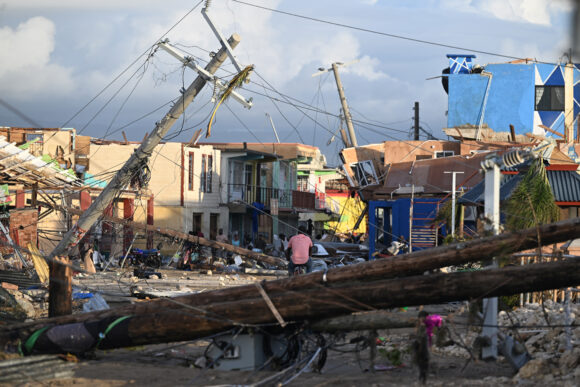
The just-ended 2025 Atlantic hurricane season surprised some forecasters after it produced no major storms that hit the United States. But the hurricanes that did arise, with most remaining offshore and one slamming Jamaica, were mostly Category 5 beasts – signaling that new extremes are on the way in coming years, according to published research.
Hurricane Melissa, which raked Jamaica in late October with 185 mph winds and caused an estimated $9 billion in damage, “was not an anomaly but a warning of the supercharged storms we are likely to face more often in a warming world,” said Sam Phibbs, head of catastrophe research for MS Amlin, a global commercial insurer and reinsurance company.
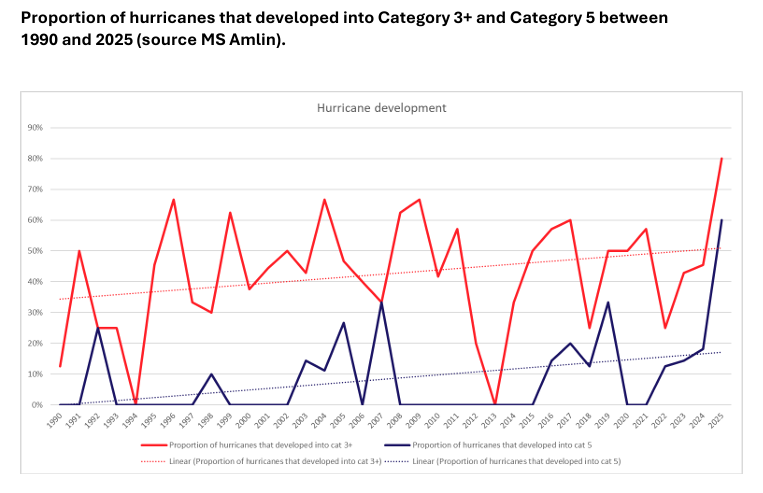
Melissa’s rapid intensification—with winds doubling from 68 mph to 139 mph in a single day—illustrates how warmer oceans are fueling hurricane strength in the Atlantic basin. “This trend is deeply concerning, particularly as rapid intensification remains difficult to forecast, leaving communities with less time to prepare or evacuate,” Phibbs said in a statement.
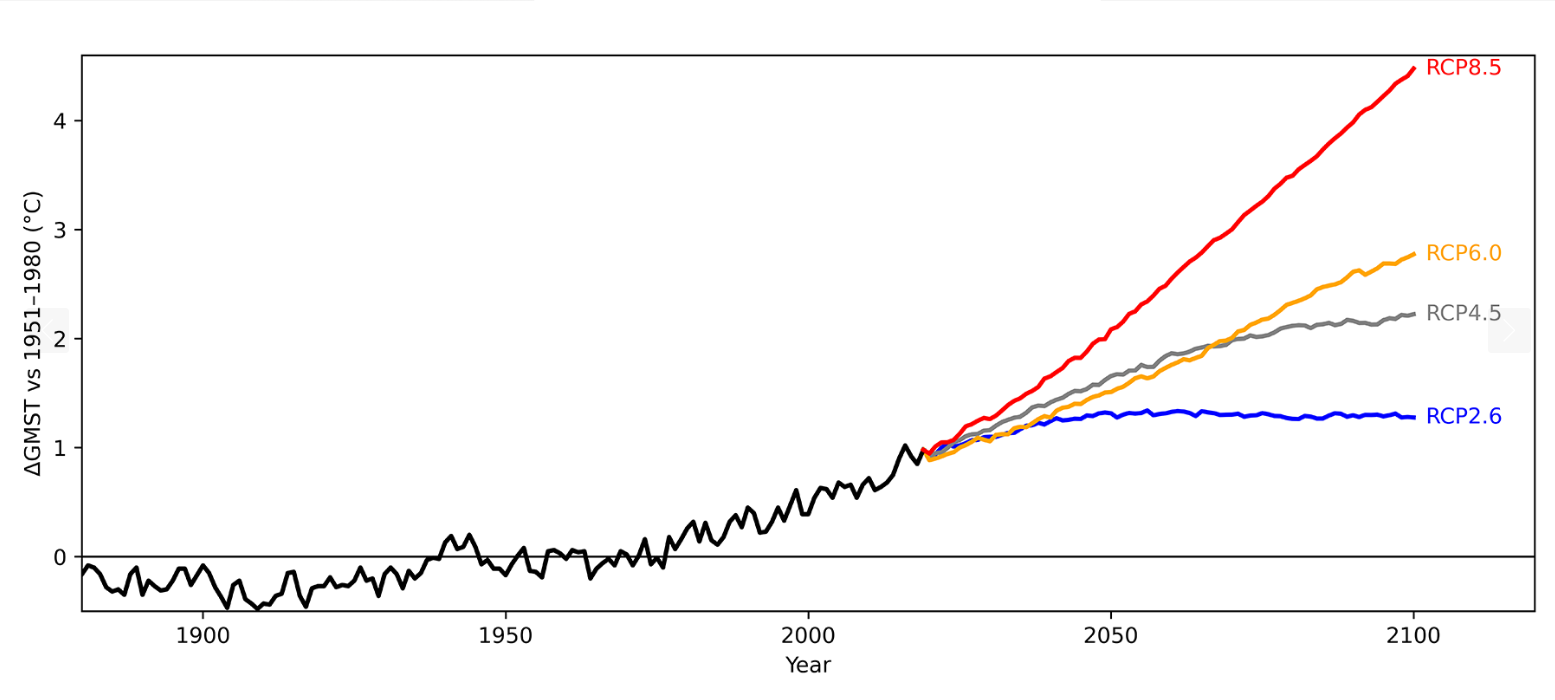
The findings by Phibbs and other academic researchers was published in the peer-reviewed Journal of Catastrophe Risk and Resilience. The article warns that as global average temperatures rise by 2 degrees Celsius, or about 4 degrees Fahrenheit, Florida and other East Coast states will see heavy insured losses from multiple Category 4 and 5 storms.
Florida is projected to see the largest absolute increase, with insured losses rising by 44%.
The Carolinas may face a 60% increase in losses during major storm years, three times higher than projected increases in Texas.
New York’s insured losses could rise by 64%, while Rhode Island and Massachusetts may see increases of over 70% in average annual loss.
In a season similar to 2022, in which three hurricanes made landfall in the U.S., including Florida’s Hurricane Ian, insured losses would likely jump by 61%.
“No hurricanes made landfall in the U.S. this year,” the researchers noted. “However, this is down to luck rather than any long-term trend.”
The season should serve as a cautionary tale, they said.
“Our research indicates insured losses from U.S. hurricanes could rise nearly 50% under a 2°C global warming scenario. Warmer oceans will also enable storms to maintain their terrifying strength further north, threatening cities along the upper East Coast—regions historically less exposed and less prepared.”
Top photo: Damage from Hurricane Melissa, in Black River, Jamaica. Photo credit: Ricardo Makyn/AFP/Getty Images
Topics Florida Profit Loss Windstorm
Was this article valuable?
Here are more articles you may enjoy.
 World’s Largest Retirement Community Set to Borrow $180 Million for More Homes
  Eastern States’ Grocers Shut Online Systems After Cyberattack
  Harbor Emerges From Stealth with $10M Funding to Handle AI-Agent Risk
  Europe’s Insurers Cut Coverage of Weather Losses, Report Says