
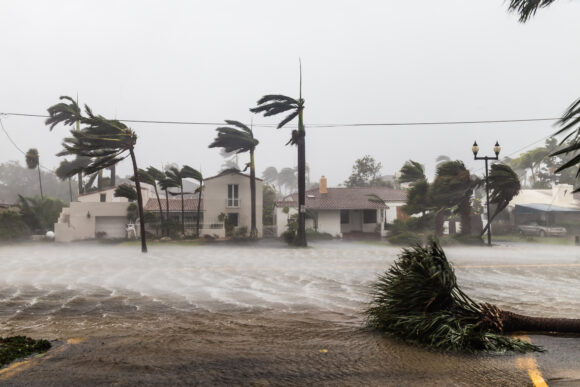
Florida’s $833 million My Safe Florida Home mitigation program is as popular as ever, providing grants for homeowners to harden their homes and install new roofs. But it’s wasteful, is a tax-dollar giveaway, and has some glaring issues that do little to reduce insurance costs, a state lawmaker has charged.
“We’re not really fortifying homes by putting on a new roof,” said Florida state Rep. Brian Hodgers, R-Viera. “An old roof is a maintenance item, not an insurance matter.”
Hodgers, one of two insurance agents in the Legislature, filed a bill this year that would have revamped the My Safe Florida Home program by allowing roof replacement matching grants only if a homeowner’s existing roof fails to meet state building code standards. Program inspectors also would have to verify, under penalty of perjury, that grant-recipient homes have been properly retrofitted.
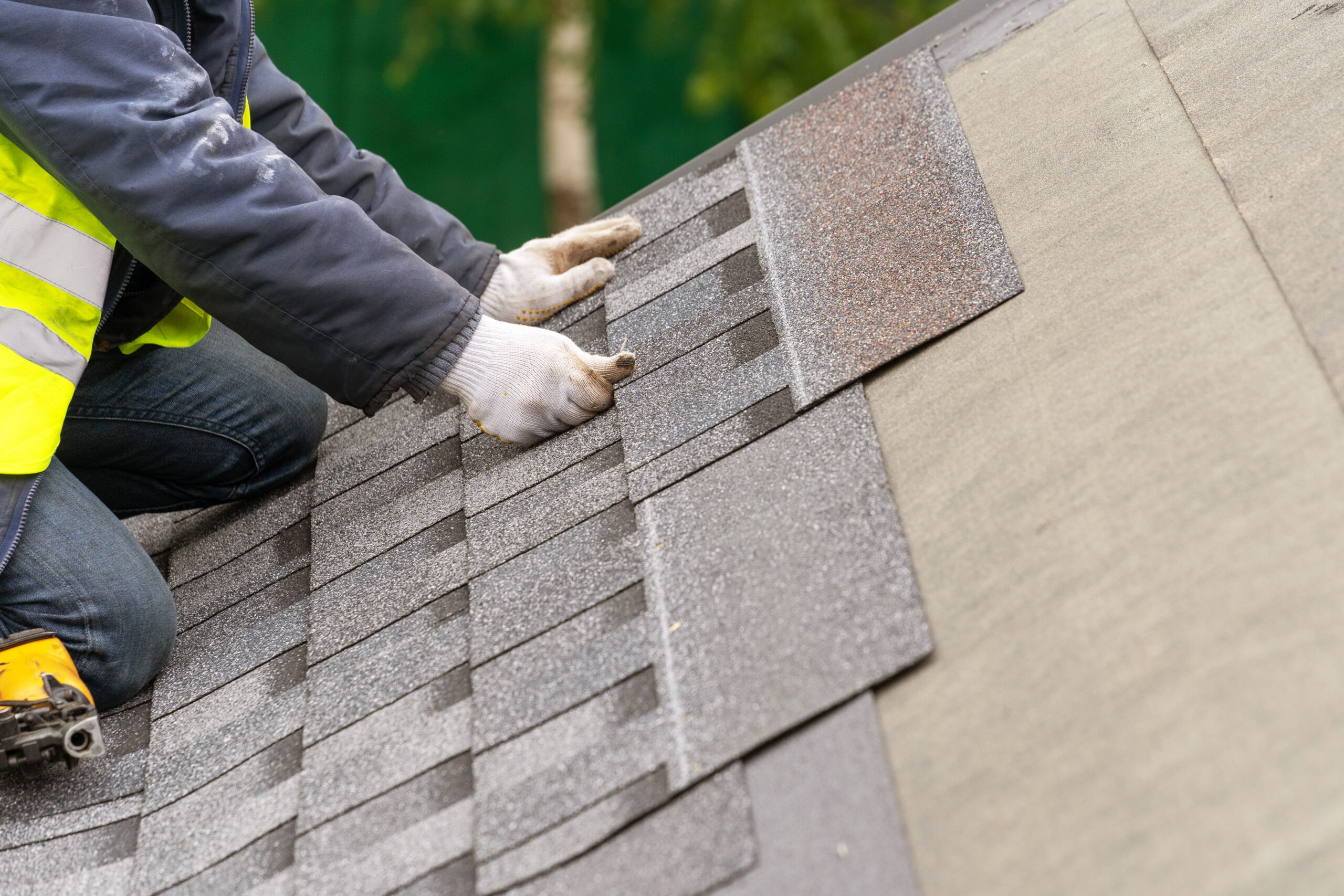
Hodgers said he has seen examples and heard stories of roofs funded by the program that do not include a crucial, secondary, water-tight membrane under the shingles. Some unscrupulous contractors simply tape over the seams between the plywood decking sheets, he contends. (Hodgers said he is not referring to the increasingly popular, green-colored “ZIP” sheathing system that has a membrane built in and is approved by code.)
Florida building codes and the safe home program require either the self-adhering “peel and stick” membrane across the entire roof decking, or taped seams along with felt or similar nailed-down underlayment.
But once a roof installation is completed, it’s difficult for inspectors to see if what, if any membrane is present, Hodgers and others noted. A Florida home inspector and a roofing contractor said that on almost every roof job they have seen, workers have installed a secondary membrane. But they agreed that most contractors don’t provide photographs of roof work in progress.
The My Safe Florida Home program has provided more than 41,000 grants totaling almost $400 million over the last few years. About a third of that went for roof coverings, including secondary membranes, according to a report made to a House budget subcommittee late last year. Data on how those homes fared in recent hurricanes was not available.
The program is managed by the state Department of Financial Services. Officials there did not fully respond to requests for information, other than to acknowledge that it can be difficult for inspectors to verify the presence of a secondary water barrier. While home inspectors are supposed to enter a home’s attic and look in the seams between the plywood roof decking, a membrane is not always obvious.
The mitigation program encourages but does not require photographs of roof jobs.
“For the installation of a SWB (secondary water barrier) to be considered for grant funding, applicants must show proof that the SWB was put in the right way,” the program’s website notes. “It is also a good idea to take photos during the work …”
Another issue: The program is predicated on allowing premium discounts for homeowners with stronger roofs. But most Florida insurers provide only minimum credits for new roofs. As an insurance agent, Hodgers has access to much of that information. His analysis showed an average annual premium discount of just $18 after new roofs were installed.
There’s a better way, Hodgers said: Ditch the roof grants altogether. By slashing grants for roofs, the program could provide millions more in funding for improvements that would better reduce insured losses and claims, such as impact-resistant windows and doors, and roof-to-wall connections, Hodgers said.
His bill to that effect, House Bill 1359, saw little action in this year’s legislative session, which ended last week except for negotiations on a state budget plan. But Hodgers hopes his concerns can generate enough interest to revive the bill next year.
He’s not the only one with worries about the program, despite its nation-leading funding and a big backlog of applicants. One home inspector explained that under the My Safe Florida Home regulations, candidate homes are inspected to see if they may qualify for a grant. After retrofit work is completed, the house is inspected again.
But if it fails that inspection—that’s it. There’s no option for a third inspection to see if an issue has been corrected. The grant funding is nullified, said Glenn Stephens, a home inspector, roofing contractor and president of the Florida Association of Building Inspectors.
“It’s a tough break for the homeowner when that happens,” he told Insurance Journal.
The quirk in the rules can leave homeowners and contractors at a significant loss—up to $10,000 in some cases. Some contractors could even face lawsuits from irate homeowners who missed out on the expected grant mitigation funding, said Mike Silvers, director of technical services for the Florida Roofing and Sheetmetal Contractors Association.
“As a contractor, you need to be concerned about that,” Silvers said.
Stephens said that if homes are rejected for a grant after a second inspection, homeowners should work with the contractor to have the problem corrected, then hire another inspector to document the corrections, and appeal to the program.
A bill that passed the Legislature this year, SB 1452, tweaked some eligibility requirements for the My Safe Florida Home program. But it did not address the need for a third inspection. Rejected applicants would be able to reapply for grants, but only after two years, the bill reads.
Even without legislation, some significant regulatory changes are just around the corner. After months of consideration and workshops, the Florida Office of Insurance Regulation recently updated the Uniform Mitigation Verification Inspection Form, which property insurers use to determine premium discounts and credits. The new form, seen here with the changes underlined, takes effect April 1, with more detailed questions about mitigation work done on a house.
 For the first time, the form asks not only if a new roof system includes a secondary membrane, but what type: a self-adhering underlayment; tape on the seams; or a double layer of felt or synthetic underlayment. The form also allows an inspector to note if the membrane is missing, or if it is “unknown or undetermined.”
Those choices allow a greater range of discounts, as determined by insurers, but they introduce a number of issues that contractors and inspectors are still learning about, Stephens and Silvers said.
Bringing significant change to the My Safe Florida Home program may be an uphill battle. Insurance carriers have supported it, and have clamored for newer roofs across Florida for years. The Florida governor and homeowners also have expressed strong support for the program, with lawmakers providing another round of funding in 2025. And academic experts have praised the plan, arguing that wind mitigation is the key to reducing claims and the cost of claims.
Still, Hodgers and Stephens hope the program can be significantly improved.
“If we’re not going to kill the program, why don’t we at least fix it and truly harden people’s homes,” Hodgers said.
Editor’s note: This article has been updated to include new information about the level of funding that My Safe Florida Home has provided for roofs.
Topics Florida
Was this article valuable?
Here are more articles you may enjoy.
 Alliant Insurance Acquires New Hampshire’s Melcher & Prescott
  AI Bubble Risks Worst S&P 500 Crash Since 2008, Strategist Says
  McKinsey Rebukes Partner Who Questioned Challenges Facing Women CEOs
  Two Past Hurricanes, OIR Data Give Idea of What to Expect From Isaias in Florida