

It was 180 degrees off the hot trade on Wall Street.
Snub Nvidia Corp., the soaring king of artificial intelligence chips. Embrace Adobe Inc., a sinking casualty of AI disruption. Polen Capital did just that, and more, until it was too late. Now, executives are struggling to contain the damage.
Based in Boca Raton, Florida, Polen is on no one’s list of industry behemoths. But the nearly half-century-old firm offers a prime example of how missing one big winner can swing fortunes in the AI boom. In just four years, its assets have plunged by 60%, or almost $50 billion. They now total about $33 billion.
The stakes in AI are climbing for investors everywhere. Now that SpaceX has gone public, Anthropic and OpenAI are hurtling toward giant initial offerings of their own. The risks have been growing in private markets, too, where alternative asset managers have cast huge bets on software companies that investors now worry might get upended by AI.
“This shift is bigger than mobile, bigger than dot-com,” Eric Jackson, founder of EMJ Capital and a longtime technology investor, said of investment opportunities in AI. “Anybody trying to put a value investor’s lens on this and analyze these stocks is missing the point.”
Stan Moss, an accountant by training, became chief executive officer at Polen in 2012, following the death of founder David Polen. Insiders credit him and the flagship strategy’s two investment leads, Dan Davidowitz and Damon Ficklin, with initially transforming the firm from a small, sleepy outfit into a vibrant money-maker. It’s still far bigger than it was when they took over, when it commanded around $2 billion of assets.
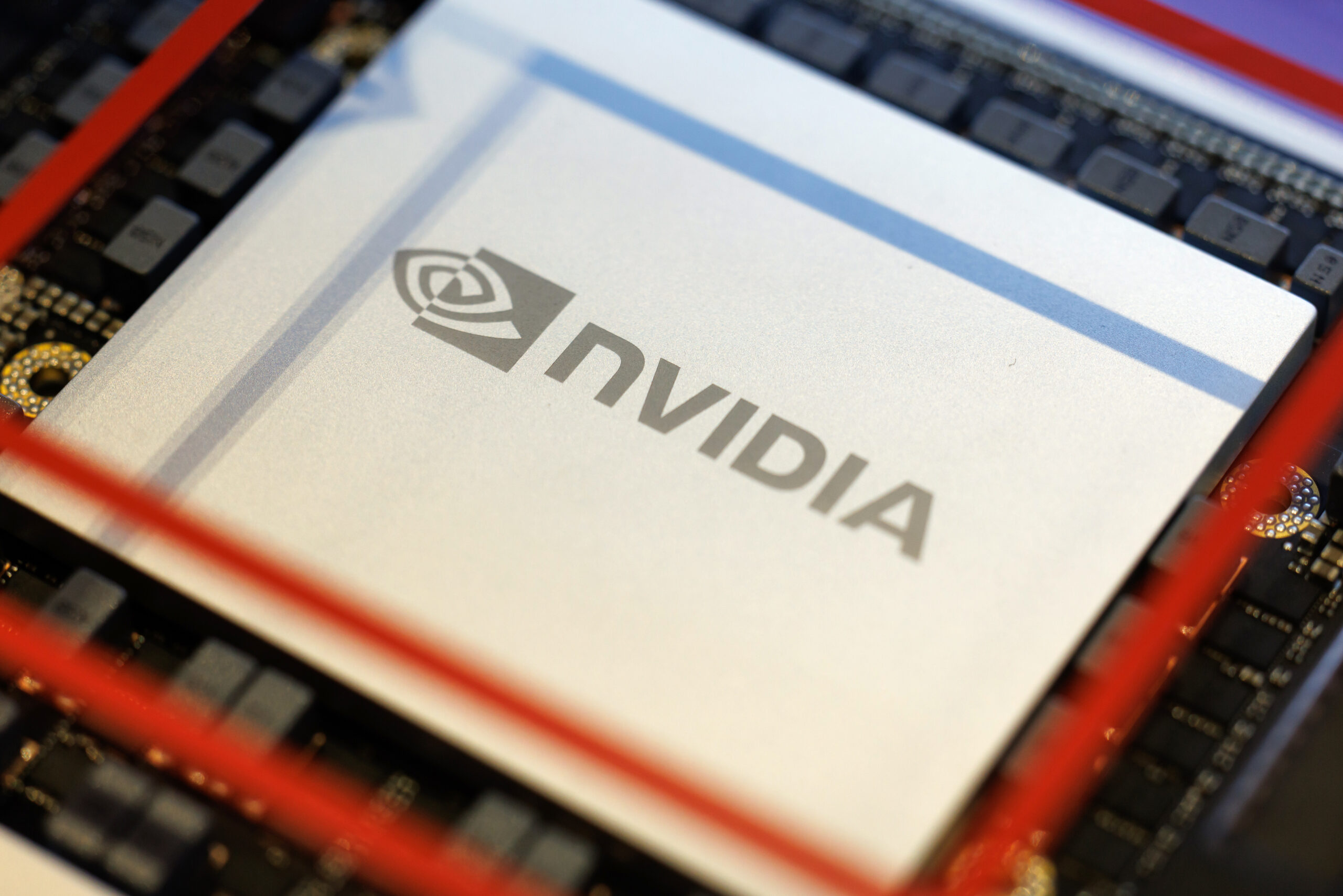
But a bad call at Polen can be costly. Its six equity mutual funds mostly buy and hold a relatively small number of growth stocks. The flagship Polen Growth Fund owns fewer than 30.Instead of buying Nvidia, the fund stuck with software stocks like Adobe, Salesforce Inc. and ServiceNow Inc.
“We believe virtually all the upside opportunities we can currently see for the company are already priced in,” Polen wrote to clients, referring to Nvidia, in June 2023. The stock went on to soar almost 400% from there. The BVP Nasdaq Emerging Cloud Index, which tracks emerging companies primarily focused on cloud-based software, fell 3% during that period.
The result looks like a stock-picker’s nightmare.
Today, the flagship fund’s investments are down 45% from the 2021 peak, despite the historic bull market. Its assets have dwindled to less than $2 billion from about $14 billion – a decline of nearly 86%, according to data compiled by Bloomberg.
The fund comes in at a lowly 243rd out of a field of 249 similar funds, Morningstar Inc. figures from the end of April show. Morgan Stanley, which for years recommended a version of the fund’s strategy to its wealth clients, has removed it from its list of top picks.
Polen holds the vast majority of its assets in private mandates for which data isn’t available, so the growth fund only offers a glimpse into the drop in firmwide assets under management. Those figures don’t include some assets that are managed in credit strategies or by the UK and Hong Kong units, which have been largely stable in recent years. After some changes over the past year, the Polen Growth Fund’s top holdings as of March were Microsoft Corp., Eli Lilly & Co. and Broadcom Inc.
The damage is piling up. Clients have bolted, along with a slew of senior staff members, according to interviews with a dozen former employees and people familiar with Polen Capital. Recent departures includethe chief operating officer, the chief compliance officer, the head of international finance and the head of client service, according to their LinkedIn profiles. Over the past two years, Moss has eliminated roughly 100 jobs, or about half the workforce, some of the people said, asking not to be named discussing private information.
Moss declined to be interviewed for this story as did Ficklin and Davidowitz. In a statement to Bloomberg, the CEO defended Polen and its “autonomous” investment teams.
“While Focus Growth, managed by our Quality Growth Team, has faced headwinds common among quality growth managers, our conviction in a philosophy that has delivered long-term double-digit annualized returns is strong — as is our culture that continues to attract top investment talent,” Moss said.
When Moss arrived, Polen offered only one investment strategy, focus growth, that was mimicked across segregated mandates and the flagship fund. He expanded the number of offerings to several equity funds, and separately managed accounts, and later built up a credit and a collateralized loan obligation operation. Money poured in. Assets soared to nearly $83 billion at the end of 2021.
The Polen salesforce, however, was getting nervous. Clients were asking if Polen was ever going to rethink its position on Nvidia, according to several of the people familiar with the matter. In meeting after meeting, the answer was no. By 2023, clients were hitting the exits.
The top was unmoved. Lead portfolio manager Davidowitz and Ficklin, who heads the quality growth team, insisted the cloud-based software-as-a-service, or SaaS, model, would endure and thrive. The market frenzy over AI and Nvidia, they kept saying, would burn out at some point. (Moss isn’t part of the investment committee and doesn’t partake in investment decisions.)
“You’re going to have to figure out when to get off the Nvidia train,” Davidowitz told investors in a video presentation in June 2024.
People close to Polen Capital say it’s difficult to go up against the three men at the top. Together, Moss, Davidowitz and Ficklin have final control over all business decisions at the firm, which is in most part employee-owned.
It wasn’t until late 2025 — after Nvidia had minted fortunes for other investors — that Polen relented. Concluding that its downbeat predictions about AI chips had been off base, Polen finally began buying.
Even after trouble hit, it was mostly business as usual. Polen now has offices in London, Hong Kong and Abu Dhabi, as well as two in the Boston area. Around 2021, Moss went into expansion mode. Since then, Polen has acquired a range of funds at Somerset Capital, a London-based emerging-markets boutique that was co-founded by Jacob Rees-Mogg, the former Conservative member of Parliament; Boston-based credit specialist DDJ Capital Management; and two equities teams from LGM Investments with offices in Hong Kong and London. Only last year, as investors walked, the firm added a team run by Drew Cupps, a small-cap specialist, for an office in Chicago.
Some Polen employees questioned the rapid expansion, as well as an expensive renovation of the Boca Raton headquarters. Others were unsettled when Moss bought a waterfront home in Boca Raton for $11 million in 2023, even as clients were pulling out.
In good times, Polen’s small number of funds hit high after high and hoovered up money from individuals and institutions. Monday through Friday, Polen employees got lunch for free. To lighten things up, the firm hosted office book readings and book clubs.
Lunch is still free, and the book clubs are still going. A title Moss, Davidowitz and Ficklin once recommended: “Ego Is the Enemy,” by Ryan Holiday — a self-help book on how an unhealthy belief in one’s own importance often stands in the way of success.
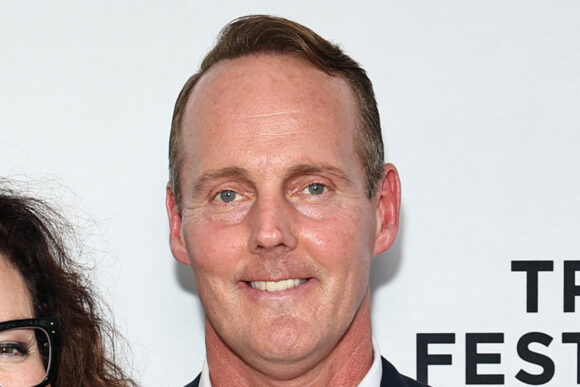
Top photo: Polen CEO Stan Moss (Jamie McCarthy/Getty Images)
Topics InsurTech Data Driven Artificial Intelligence Florida
Was this article valuable?
Here are more articles you may enjoy.
 AI Bubble Risks Worst S&P 500 Crash Since 2008, Strategist Says
  Banking Watchdogs Ramp Up AI Scrutiny as Stability Fears Mount, Sources Say
  Hordes of Teens on E-Bikes Force Suburbs to Rewrite Road Rules
  Supervisor’s Punching of Employees Enough for Tort Suit, NC Appeals Court Says

