

California received funding to help begin an earthquake warning system across the state next year that would provide enough time for trains to brake, utilities to shut off gas lines and people to dive under a table until the shaking stops.
Scientists have tried to make the public alert system available, but money has been a problem. Now, $5 million has been allocated in a major spending bill approved by Congress, according to a joint statement Monday by Sen. Dianne Feinstein and U.S. Rep. Adam Schiff.
Feinstein called it “a down payment” and added that “more funding is necessary to complete the system.”
It would expand a limited program developed by the California Institute of Technology; the University of California, Berkeley; and the University of Washington in conjunction with the U.S. Geological Survey.
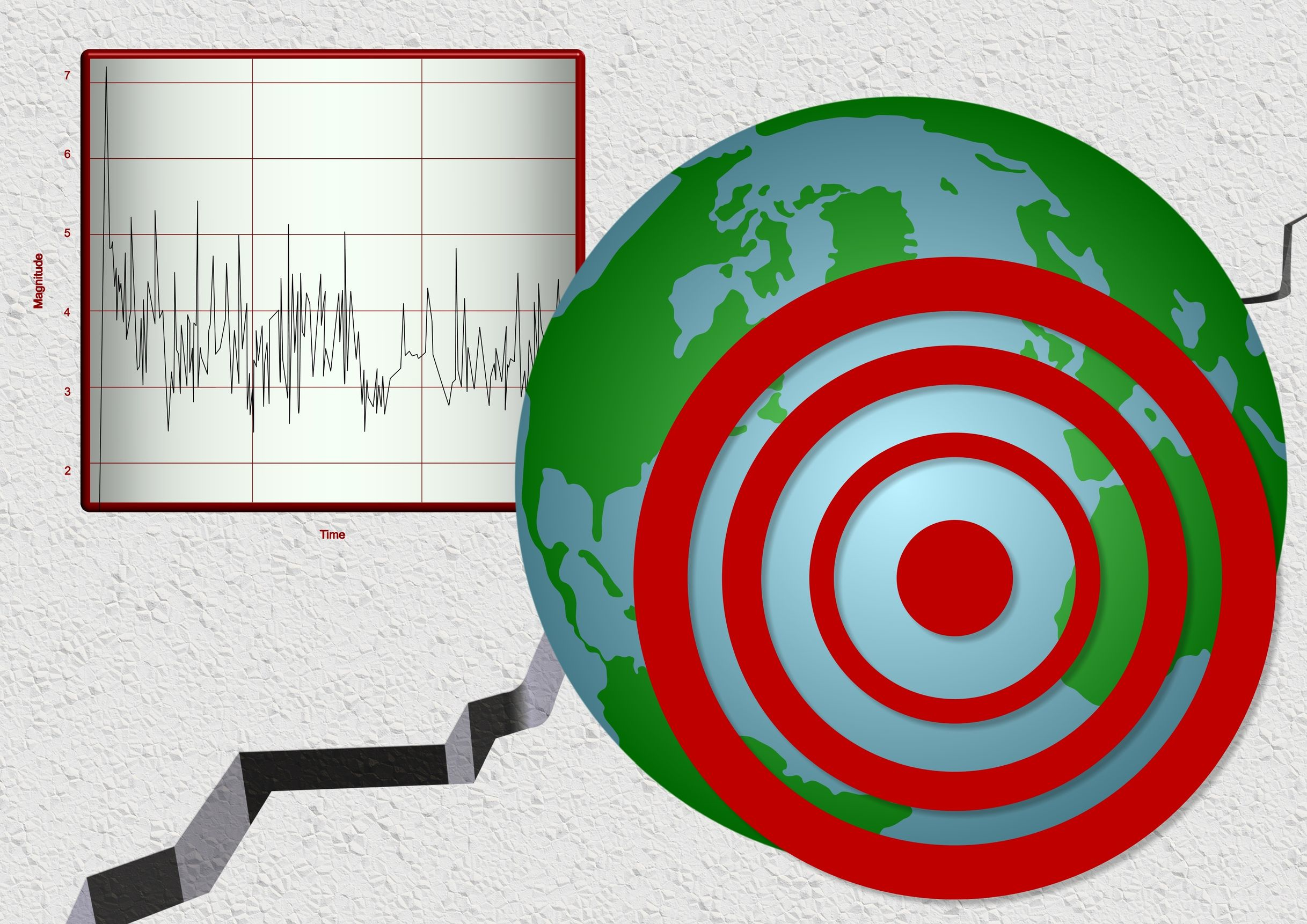 California trails Japan, Mexico and other earthquake-prone areas in developing a public alert system, which provides several seconds of warning after a fault ruptures.
A comprehensive statewide system would cost an estimated $80 million for the first five years of operation.
Seismic early warning systems are designed to detect the first shock waves from a large jolt, calculate the strength and alert people before the slower but damaging waves spread.
The systems can’t predict quakes and are most useful during big events where it would be meaningful to warn people far away to expect strong shaking, scientists said.
Several moderate earthquakes this year in Southern California produced successful early warnings. Officials testing the system in San Francisco got eight seconds of warning before strong shaking arrived from the 6.0-magnitude earthquake near Napa in August.
Topics Mergers & Acquisitions California
Was this article valuable?
Here are more articles you may enjoy.
 Chubb CEO Greenberg: Industry Has to ‘Put Arms Around’ AI Liability
  How Federal Ban on Intoxicating Hemp Products Will Reshape Risk, Coverage
  Florida AG Says His Office Investigating ‘Anti-Public Adjuster’ Endorsements in Policies
  How One Hacker Used AI Agents, a Few Thousand Dollars to Break Into Websites

