

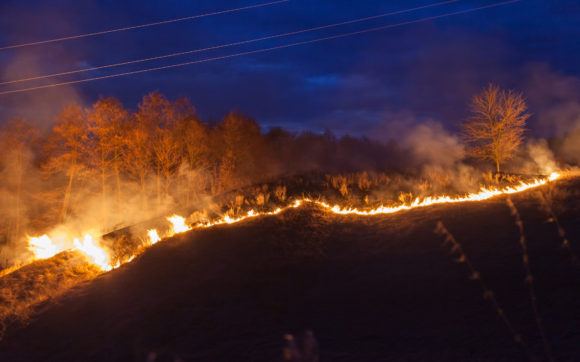
The practice of setting controlled blazes to lessen the impact of wildfires is not used in the American West as frequently as officials would like.
A study this year in the journal Fire found prescribed fires on federal lands in the region have stayed level or fallen despite calls for more.
Supporters say the burns are one of the most effective ways to make forests healthier by clearing undergrowth. They say the fire can stop or slow future blazes by removing fuels that help them spread.
There are plenty of reasons prescribed fires aren’t employed as often as planned, including weather, air quality issues and bureaucratic hurdles.
And opponents point to prescribed fires that got out of control and turned deadly, contributions to global warming and say they aren’t appropriate in some places.
Related:
- U.S. Northwest Faces Growing Wildfire Threat
- Oregon Lagging on Disaster Preparedness, Scientists Warn
- New Washington Law Requires Plan for Statewide Disaster Resilience
Topics USA
Was this article valuable?
Here are more articles you may enjoy.
 Chubb Q3 Net Income Down Slightly on More Catastrophe Losses
  EU Cyber Agency Warns Websites May Go Dark as PHP Prepares Critical Fix
  How One Hacker Used AI Agents, a Few Thousand Dollars to Break Into Websites
  World’s Largest Retirement Community Set to Borrow $180 Million for More Homes

