

When Jane Kim claimed victory in the race for California insurance commissioner over fellow Democrat Ben Allen less than a week after the Nov. 3 election, the insurance industry may have gotten a more progressive and pro-consumer advocate than it has had in years.
Kim is a more progressive candidate than Allen, who was focused on making insurance affordable and fighting climate change in his work in the state Legislature.
Kim, an attorney and consumer advocate, served on San Francisco’s Board of Supervisors from 2011 to 2019. She has also run for state Senate and for San Francisco mayor. Her platform included providing natural disaster insurance for everyone, ensuring that premiums go to paying for claims, increasing transparency from insurers and investing in safer homes and communities.
U.S. Sen. Bernie Sanders (I-Vt.), for whom she served as California political director, the California Teachers Association and the Working Families Party all endorsed Kim.
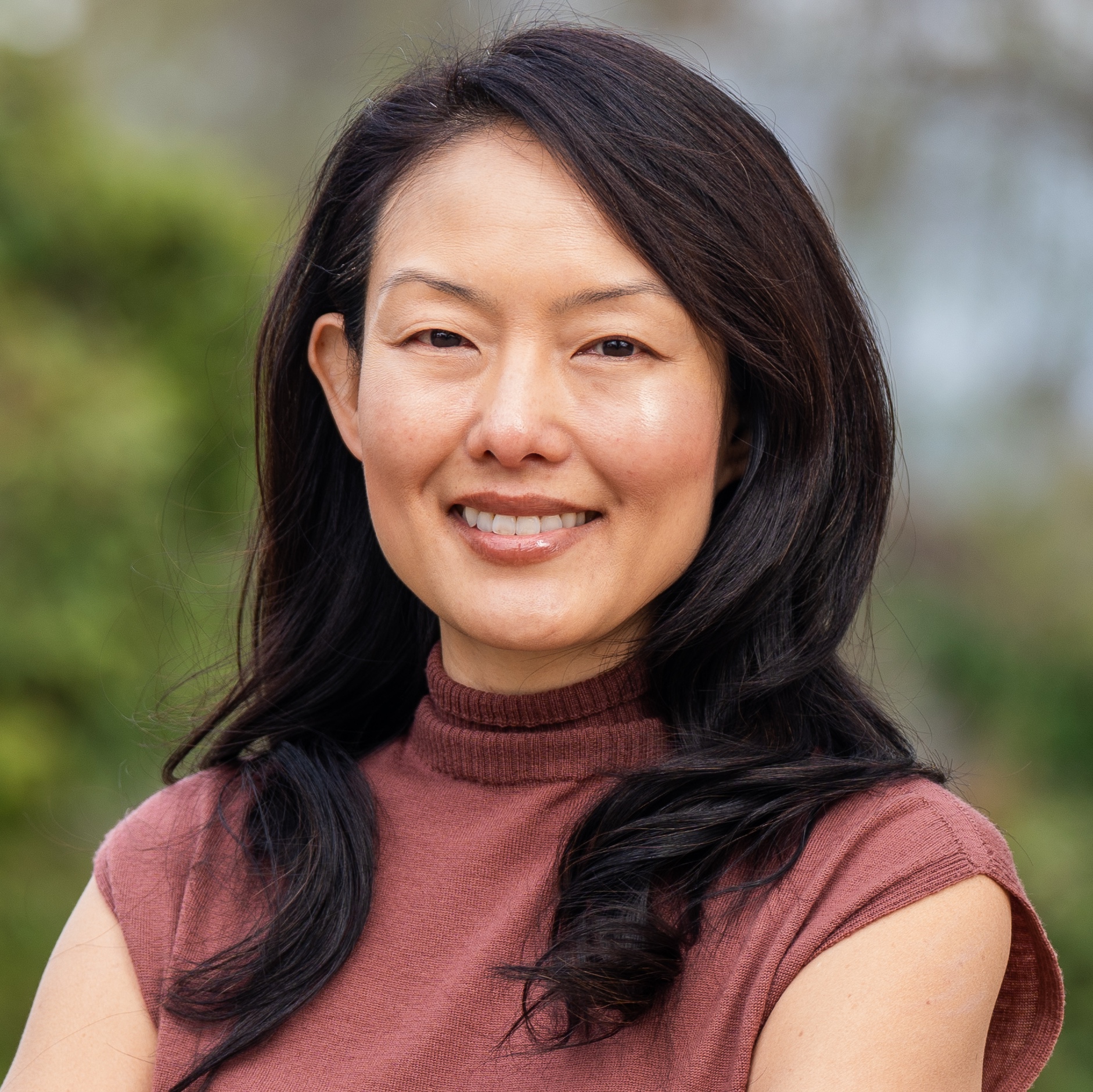
Kim had 54.2% of the vote with all precincts reporting at least partially in. Vote-by-mail ballots, provisional ballots and other ballots are being tallied, but her lead has continued to grow to more than 900,000 votes over Allen.
She will replace outgoing commissioner Ricardo Lara, who is term limited.
Kim is also proposing a public program to cover wildfire risk for existing homes in California. In an October outline, she said participation would be mandatory, with premiums based partly on each home’s wildfire risk and partly on rebuilding costs to fund catastrophic losses. Private insurers would continue selling other homeowners coverages, and the public program would invest reserves in wildfire mitigation. The proposal would require support from state lawmakers and the governor.
Affordability was a recurring theme during her campaign, a message Democrats and progressives like her across the country rode to success in the elections.
“We’ve been traveling up and down the state all year and I just believe that our message centered around affordability and fighting to make sure that insurance is there for 40 million Americans in California resonated,” Kim said.
Affordability is what voters have been asking for “over the last decade, but I think that has become particularly untenable the last few years under the Trump Administration,” she added.
Kim is in the process of putting together a transition committee, which she said will include policy experts in insurance, climate and technology leaders throughout the state to discuss plans for her first 100 days in office and what they believe she can accomplish in her first year.
“Our mandate is to make insurance affordable, available and fair, and that is what I will be fighting to do every single day that I’m in office,” Kim said.
One of Lara’s signature efforts over the past few years in office was to work with insurers to get them to return to writing homeowners insurance in the state. His Sustainable Insurance Strategy is designed to expedite rate reviews, and it allows insurers to use catastrophe models and reinsurance costs in ratemaking, tied to commitments to expand coverage in wildfire-distressed areas.
Kim views the strategy as a tradeoff that benefits insurers far more than consumers.
“The Sustainable Insurance Strategy was one that was put forward as a way to appease insurers who continue to threaten to leave the state in order to raise premiums on hard working families here in California, and we’re going to be examining this program and making sure that we’re also figuring out how to make insurance more affordable and more available,” Kim said.
She said she plans to look at the work of Lara’s administration with an eye on making rate filings and approvals more transparent and ensuring insurers pay claims promptly.
Insurers that pulled back from California cited the increasing risk of wildfires, losses from catastrophes and difficulty in getting rate hikes among their reasons.
The strategy has been credited with getting some carriers to return to writing homeowners insurance in the state. Farmers removed its policy cap last year in November. The Travelers Companies said in April that it intended to expand its homeowners insurance offerings across California. Mercury committed to write 38,000 new policies in the state ofer a multiyear period.
Carriers have also been able to get rate hikes under the strategy, including 6.9% increases for CSAA and Mercury.
Kim argues that the property/casualty industry is doing well, citing a report that the industry realized its first full-year underwriting gain in four years, fueling a jump in net income to $170 billion.
“We know they were profitable; those are the facts,” Kim said. “The data is out. They’ve been making more money than they ever have in their history the last three years. We know that they’ve been doing well.”
According to an analysis from the Insurance Information Institute using data from Best’s Market Share Reports, California’s homeowners insurance market had a 10-year average combined ratio of 109.7% from 2014 to 2023, indicating an overall underwriting loss over the period.
Laura Curtis, vice president for state government affairs for the American Property Casualty Insurance Association, said efforts to keep insurers writing in California should continue while the state addresses its insurance crisis and seeks to make coverage more affordable and accessible.
“Protecting the recent progress in the market is critical. While significant challenges remain, recent reforms have begun laying the foundation for a more stable and sustainable market,” Curtis said. “Costly new mandates or regulatory actions that drive up costs or limit coverage options risk reversing this progress and worsening the crisis.”
Rex Frazier, president of the Personal Insurance Federation of California, cautioned against making judgments about rates before reviewing individual insurer filings.
“There are clear state rules for rate review, and it is inappropriate for any state official to pre-judge an individual insurer rate filing,” Frazier said. “Arbitrary rate suppression is not only illegal, it reduces the ability of insurers to serve all communities and hurts consumers by drying up the insurance market.”
Kim was asked if she feels any lines of insurance demand her most immediate attention once she takes office.
“We’re going have to be working on all the lines that this office overseas, and the ones that we hear the most about on the campaign trail are home and auto, because this is what impacts the everyday lives of Californians,” Kim said.
Small businesses also raised concerns with Kim about liability insurance during the campaign, but she emphasized her intention to focus on consumers.
“I will be an independent watchdog for working families and everyday Californians, not a lap dog for billion-dollar corporations,” Kim said. “We believe the mandate of this office is to protect the 40 million Americans that live in the great state of California.”
Topics California
Was this article valuable?
Here are more articles you may enjoy.
 Row House Fire in Brooklyn Kills 6 People and Injures 9
 OpenAI Sued Over Claim That ChatGPT Drafted Lethal NC Poisoning Plan
 Manufacturers Hammer IBHS Over 15-Year Roof Age Limit for Fortified Designation
 Hours-Long Microsoft Outage Disrupts Businesses, Governments Globally


