

The “I”s Have It
“The resilience of the independent agency channel is evident in this year’s Market Share Report, painting a clear picture of its stability through the hard market. As the market has begun to shift, the channel is on firm footing and poised to make the most of these improving conditions.”
— Charles Symington, the Independent Insurance Agents & Brokers of America (Big “I”) president & CEO. According to the Big “I” 2026 Market Share Report, the independent agency channel placed 62% of all property/casualty insurance written in the U.S. in 2025, up from from 61.5% in 2024. Independent agents wrote 87.7% of commercial lines written premiums and 39.5% of personal lines.

Primary Concerns
“We think the only thing worse than expensive insurance is not being able to get it. And we’ve talked to a lot of customers where we’ve had to manage our exposure in markets. They’ve got to go to the secondary market and pay multiples of what they would have to pay if we could get our rates approved in the primary market.”
— State Farm Chief Executive Officer Jon Farney, in a discussion with Assured Research President William Wilt during an Executive Perspectives panel at the S&P Global Ratings 42nd Annual Insurance Conference in June.

Heat vs. Health
“No one should have to choose between their paycheck and their health. The workers building our skyline, delivering our packages, selling food on our street corners and keeping this city running deserve to come home safe at the end of every shift. In the past, workers have borne the burden of extreme heat while government looked the other way.”
— New York City Mayor Zohran Kwame Mamdani, signing an executive order to protect workers from extreme heat. Workers’ compensation claims are 45% more frequent and 20% more severe on hot days, according to the New York State Insurance Fund.
Storm Forecast
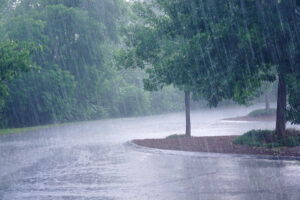
“We call these storms historic; that is only true compared to the past. I think it is more appropriate to consider it typical of the climate of the future.”
— Richard Rood, a University of Michigan climate scientist, discussing increased flood risk across the Midwest. A warmer atmosphere holds more moisture for longer periods, which can lead to heavy rain or snow when enough builds up. And this spring, an “extraordinarily warm” Gulf of Mexico set the stage for both snow and rain in the upper Midwest, Rood said. This year, Michigan and neighboring Wisconsin experienced their wettest March 1-April 15 period on record.

Stopping Screwworm
“We will respond based on facts, not fear. But we will also continue to be the most aggressive state in the nation when it comes to protecting our livestock, pets, wildlife, people, and agricultural economy from this threat,”
— Florida Agriculture Commissioner Wilton Simpson, regarding increased efforts to stop the spread of the New World Screwworm. The Florida Department of Agriculture and Consumer Services Pets implemented emergency rules prohibiting the importation of rescue and shelter dogs and cats from states with confirmed screwworm detections and revising the definition of infested zones to any county with a confirmed screwworm detection and its surrounding counties.
Land Restoration
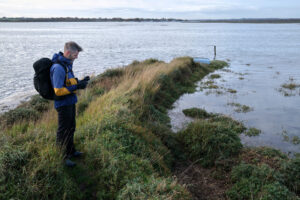
“Maybe that’s not in my lifetime, but it’s definitely in my children’s lifetime. That’s pretty wild to think about.”
— Kristi Trail, executive director of Louisiana’s Pontchartrain Conservancy, discussing the ongoing erosion and imminent loss of the New Orleans Land Bridge, which could disappear in 50 years without restoration efforts. The state loses the equivalent of one football field of land every 100 minutes, according to the U.S. Geological Survey. Threats include erosion, sea-level rise, and levees, which cut wetlands off from land-restoring river sediments. Louisiana’s Coastal Master Plan calls for investing more than $1.1 billion in New Orleans Land Bridge restoration projects, reviving about 29,000 acres.
Was this article valuable?
Here are more articles you may enjoy.
 Alabama Pharmacy, Not Agent, at Fault for Not Reading Policy Before $5M Judgment
  Cyber Rates Are Down, Risks Are Up but Small Businesses Slow to Adopt
  Broad AI Exclusions in Insurance Policies Could Create Uncertainty, Marsh CEO Says
  How Federal Ban on Intoxicating Hemp Products Will Reshape Risk, Coverage
 From This Issue