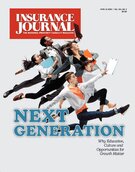

The insurance workforce is undergoing a fundamental shift. Aging demographics, evolving employee expectations, and accelerating technology adoption are converging. For insurers and brokers, this represents more than a hiring challenge–it signals a strategic workforce transformation.
For decades, insurance industry talent strategies have relied heavily on long-tenured employees, relationship-driven knowledge transfer, and incremental hiring cycles. That model is becoming increasingly difficult to sustain. The industry is projected to face a significant deficit of workers in the coming years, mainly due to the “silver tsunami”–the retirement of Baby Boomers.
At the same time, workforce demographics are shifting more broadly. Workers over 65 made up about 7% of the workforce in 2024, and that share is expected to grow in the coming years as people live and work longer. This trend underscores the importance of structured knowledge transfer and succession planning. The challenge isn’t simply replacing headcount. It’s about ensuring institutional knowledge, client relationships, and technical expertise transition effectively while attracting a new generation with different career expectations.
Expectations
Younger professionals are entering the workforce with priorities that differ from those of previous generations.
Career development, mentorship, and continuous learning rank among the most important factors influencing retention and engagement. These expectations are reshaping how insurance organizations must approach workforce development.
Traditional “sink or swim” learning models are giving way to structured career pathing, formal mentorship, and technology-enabled training programs. Organizations that don’t adapt risk higher turnover, lower engagement, and difficulty attracting early-career talent.
Talent shortages are no longer just HR challenges–they’re operational and financial risks. This creates an experience cliff if knowledge transfer isn’t intentional and structured. Institutional knowledge transfer must shift from informal to intentional. Leading practices now include:
- Formal mentorship programs with defined objectives and measurements
- Documented underwriting and claims decision frameworks
- Digital knowledge repositories that capture tacit expertise
- Phased retirement programs to extend transition timelines
- Reverse mentorship to blend digital fluency with industry depth
Technology plays a central role. Knowledge capture platforms, workflow documentation tools, and learning management systems help organizations preserve expertise before it walks out the door. Without deliberate investment in these technologies, demographic change could become a resilience vulnerability.
Employee expectations are shifting rapidly, as well. Federal government data shows younger workers prioritize growth opportunities, meaningful work, and development pathways more heavily than prior generations. Career architecture must be visible and credible. This is where personal branding becomes strategically relevant. Early-career professionals increasingly evaluate whether an organization will help them:
- Build recognized expertise
- Develop leadership visibility
- Gain access to mentorship
- Participate in industry conversations
- Create a long-term professional identity
Organizations that enable and encourage employees to speak at conferences, contribute thought leadership content, build LinkedIn presence, and deepen subject-matter authority strengthen both individual and corporate brands.
Personal branding isn’t vanity–it’s a retention strategy. Workforce strategy should integrate development, mentorship, and brand enablement into core talent planning. This approach can help organizations move from reactive hiring to proactive workforce design.
Technology
Technology isn’t replacing insurance professionals; it’s reshaping how they work and what skills matter most. Digital platforms help capture institutional knowledge, standardize workflows, and support faster onboarding. They also create visibility into performance trends, training needs, and productivity metrics. This is especially important as hybrid work models and distributed teams become standard.
Organizations that invest in workforce enablement technology today may be better positioned to scale operations, support employee growth, and manage future disruption.
Topics Talent Training Development
Was this article valuable?
Here are more articles you may enjoy.
 Warren, Hawley Press Insurers Over Closed, Unpaid Claims
  NY City Accuses Law Firm of Running Injury Claims Fraud Operation
  Iran Ramps Up Ship Attacks in Hormuz as Oil, Gas Flows Rise
  Florida Injury Lawyer Suspended After Murder-for-Hire Arrest in 2021 Case
From This Issue