

European insurance watchdogs are taking a closer look at how the industry values its investments in private credit amid widespread concerns about the asset class.
Authorities in France and Germany are among those to recently step up their scrutiny, according to people familiar with the matter. The watchdogs are looking at methods used as well as the data insurers rely on and how they challenge resulting calculations, said the people, who asked to remain anonymous discussing private information.
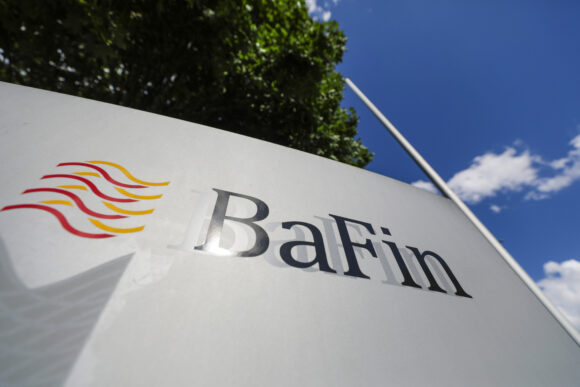
A spokesperson for BaFin said the German watchdog is examining investment risk management and adherence to standards on prudence at insurers that are “strongly” invested in private credit. France’s ACPR declined to comment.
Read more — Sources: US Treasury to Consult With Insurance Regulators on Private Credit Lenders
Private credit has been rattled in recent weeks by concerns about overspending on artificial intelligence, the technology’s disruptive power and lending standards more broadly. Several titans of the $1.8 trillion industry limited withdrawals from individual funds as investors sought to pull money from the asset class, which can be hard to value because the debt isn’t usually traded.
An expected 10% to 25% of assets are allocated to private credit by US insurers, and 10% to 15% by European insurers, according to ING Groep NV.
The European insurance watchdogs are also quizzing firms about the questions they ask of companies and how frequently they produce fresh valuations for private credit exposures, said one of the people. The scrutiny is both on insurers’ direct lending to businesses and indirect investments via funds.
In its interactions with insurers, BaFin is addressing their limit systems, monitoring as well as processes used to come up with strategic asset allocations, the spokesman said.
Insurers with a focus on alternative assets “need high-performing risk management with sufficient staff and the appropriate know-how,” the BaFin spokesman said. “It’s important that insurers understand their investments well.”
Separately, the European Insurance and Occupational Pensions Authority is working to address risks from rising private equity ownership of insurers. Last month, it called out related issues after “analyzing recent cases.” Those include:
- Short or misaligned investment horizons
- Significant changes in business models, such as use of private credit, illiquid assets and balance-sheet optimization
- Increased reliance on reinsurance, especially from reinsurers that belong to the same private equity firms or are located in “third-countries”
- Complex ownership structures.
Through the end of April, EIOPA is seeking feedback on draft standards for the buying insurers or substantial stakes in them, or acquiring parts of their portfolios.
Photograph: The BaFin headquarters in Frankfurt; photo credit: Alex Kraus/Bloomberg
Related:
- Insurers See Themselves Shielded From Private Credit Worries
- Britain Needs ‘AI Stress Tests’ for Financial Services, Lawmakers Say
- Private Credit Ratings Face Fresh Scrutiny From Global Watchdogs
- ‘Shadow Banking’ Growing at Double the Rate of Traditional Lenders, FSB Says
- Bank of England Sees Rising Financial Risks From AI and Lending
- European Central Bank’s Guindos Says Financial-Stability Risks Remain Elevated
- Global Funds Add to Warnings of Risks in Private Credit
Was this article valuable?
Here are more articles you may enjoy.
 McDonald’s Hit With Class Action Alleging AI-Powered Menu Price-Fixing
  Gronkowski Now Pitchman for eMaxx, a Reciprocal With a Different Playbook
  Hackers Breached Propulsion System of US-Bound Oil Tanker
  Uninsurable Future: Managing the Climate-Change-Fueled Home Insurance Crisis

