

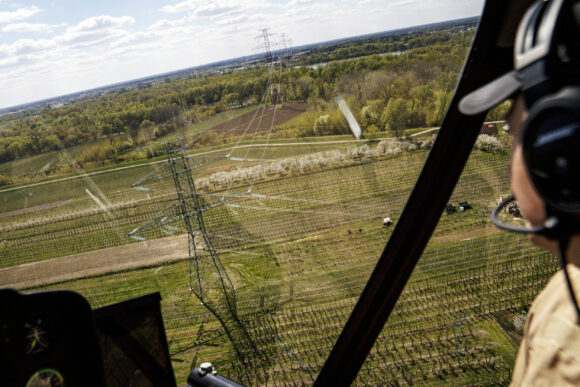
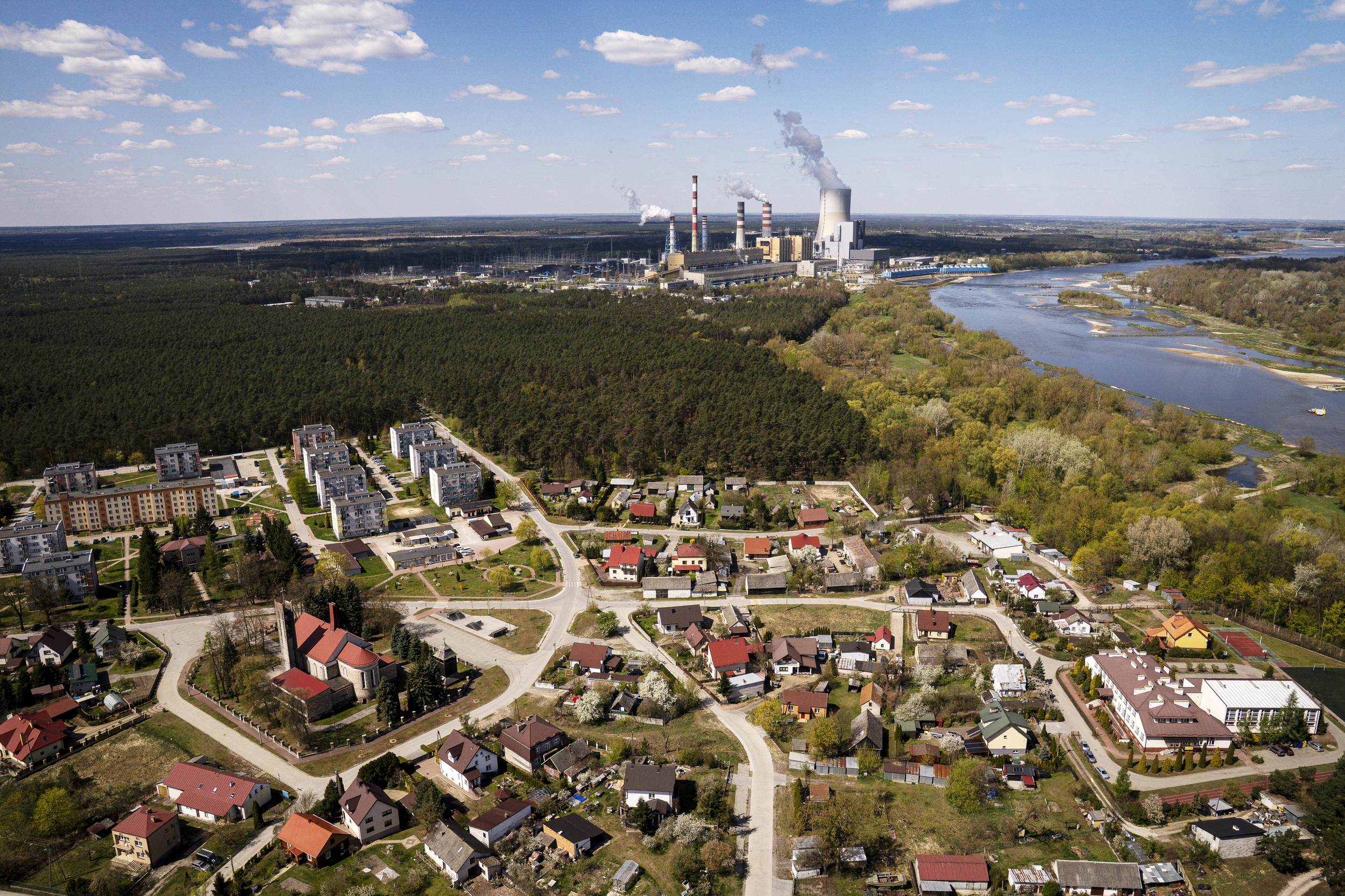
The helicopter flying over fields, rivers and villages in central Poland is loaded with high-tech cameras and sensors. The pilot, an army veteran who served in Iraq and Afghanistan, keeps the small Robinson R66 low to the ground.
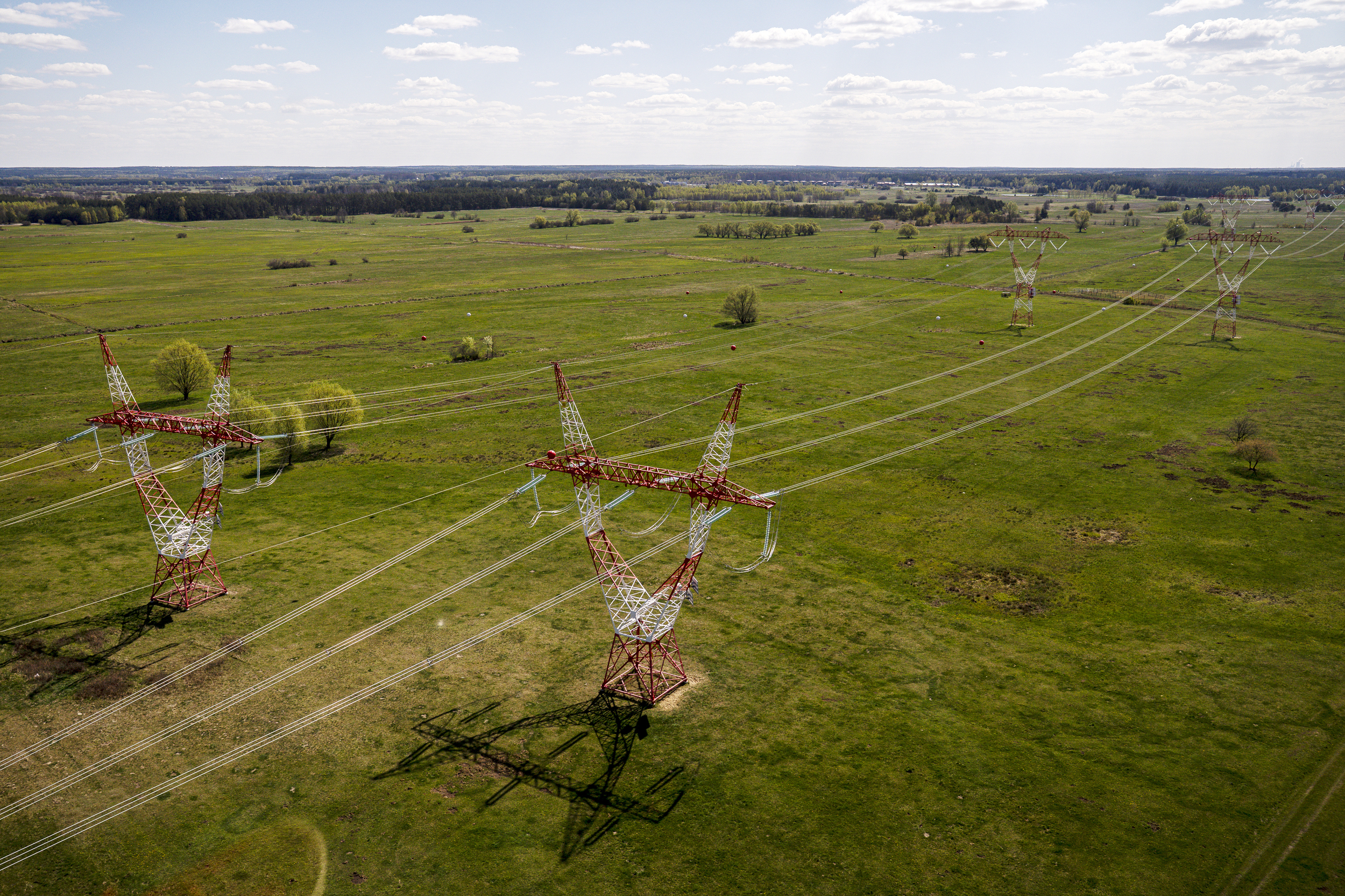
The chopper is on a surveillance mission and its route follows miles of high-voltage lines connected to a key power plant south of Warsaw. The equipment on board, designed to monitor for tampering, is incredibly precise. It can even detect if someone has disturbed the ground or whether a vehicle has passed under the line.
In an era of war and sabotage, regular reconnaissance of energy infrastructure has become an essential operation for PSE, Poland’s grid manager. It’s been ramped up since Russia’s full-scale invasion of Ukraine, part of a host of security measures in place to ensure that the lights stay on and power gets to homes and businesses.
Similar steps are being replicated across large parts of Europe’s eastern flank as utilities and governments race to harden electricity networks that weren’t designed to withstand missile strikes, cyberattacks or drone assaults. NATO has called critical infrastructure a security priority and is pushing for more coordination and greater urgency in crisis readiness.
“We are preparing for a much worse security environment,” said James Appathurai, NATO’s top adviser on cyber and hybrid defenses. “We need energy, the military needs energy, people need energy. Therefore it’s going to be in the sight lines.”
The shift to a constant state of alert means spending more money. However, transmission operators are already facing funding shortfalls to address aging assets, investment for electrification and renewables, and new power demand from data centers.
The European Union estimates that about €1.2 trillion ($1.4 trillion) is needed in grid investment by 2040. According to JPMorgan Chase & Co., private money can play a part in funding that. “Activities that harden, expand and modernize the grid are becoming increasingly attractive investment opportunities,” the bank said in a recent report.
Under the EU’s new defense spending ambitions, about €250 billion is intended for areas like cybersecurity and critical infrastructure, according to lobby group Eurelectric. It wants some of that pot allocated to energy safety and protection.
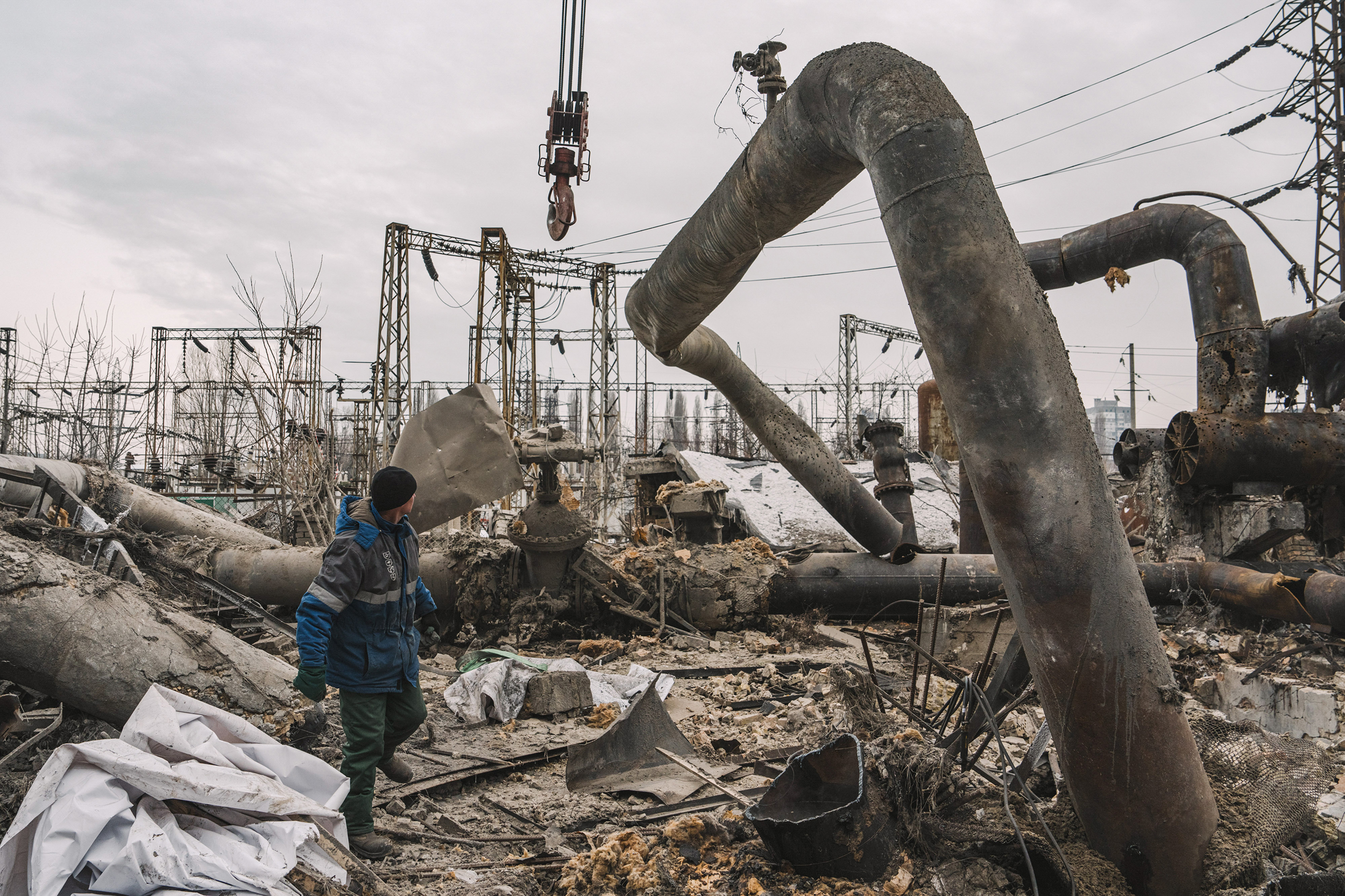
Many of the defense systems being proposed have been learned from Ukraine, where energy assets have been repeatedly targeted for the past four years, especially during winter when demand for heating soars.
On a smaller scale, though still hugely disruptive, was an arson attack on power cables near a plant in Berlin this year.
It left 100,000 people without power for days in freezing temperatures in January.
Such episodes underscore the importance of measures such as bomb-proofing structures, burying cables and pipelines, stockpiling spare parts and even building fake installations. A report by the International Energy Agency this year recommended that nations include resilience at the heart of their plans. It also recommended more decentralized systems to reduce the vulnerability of large energy hubs.
“Everyone is well aware of the need to do this,” said Tinne Van der Straeten, chief executive of industry group WindEurope. “Since the Second World War, we have lived with this peace dividend, but that has changed.”
Finland, which shares an 830-mile border with Russia, is seen as the gold standard for crisis preparedness, with months of supplies of everything from food to oil products, medicines and fertilizers. Its grid operator has warehouses for emergency parts strategically placed around the country.
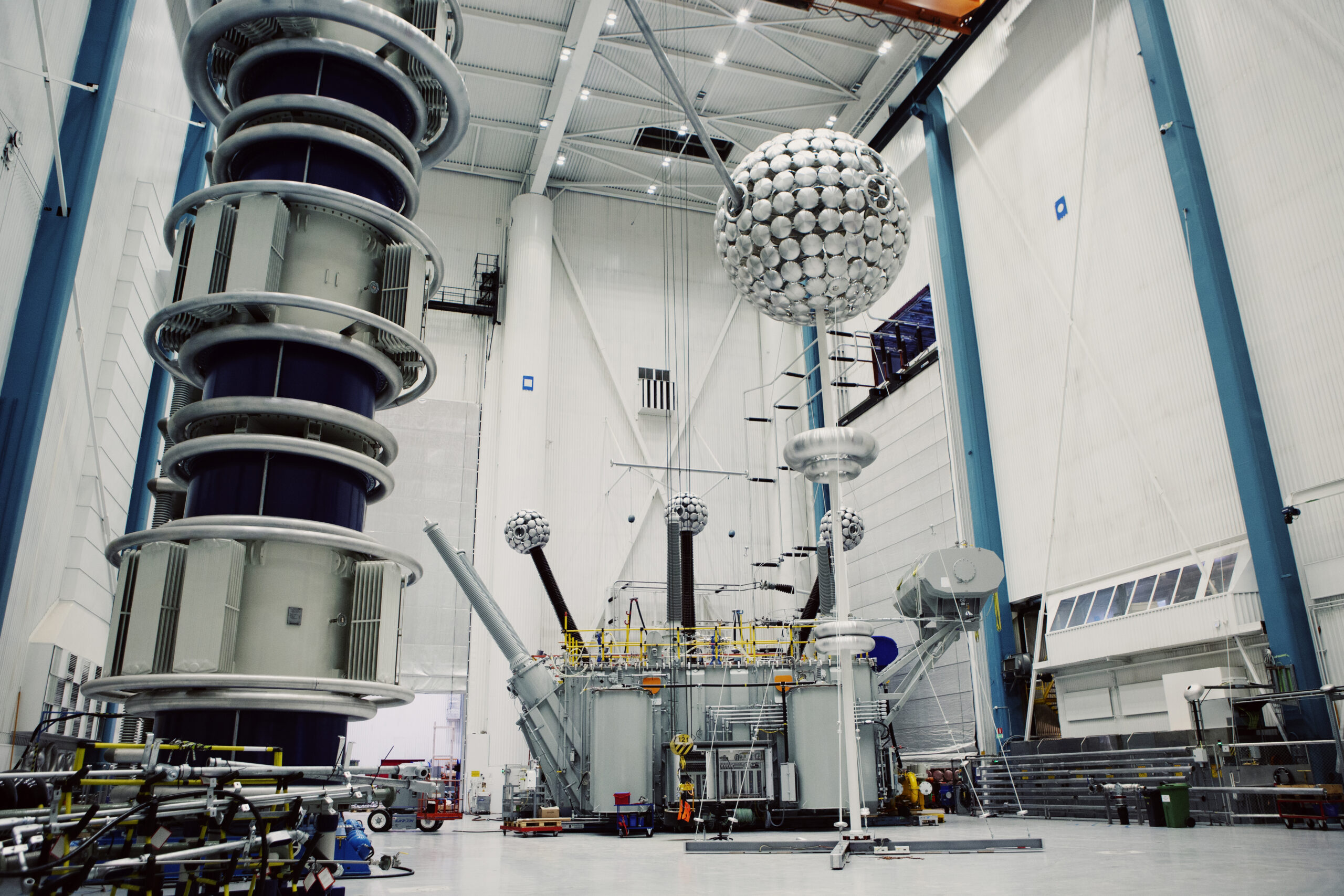
With defense now a top priority across the continent, many companies are seeing increased demand. In Sweden, a giant factory owned by Hitachi Energy Ltd. is racing to keep up with orders from power firms. The company has sold hundreds of mobile substations, which can be deployed in emergencies.

The grey concrete towers at the Hitachi site were designed to house air defense guns during World War II. Now, local boss Tobias Hansson is in talks with the head of the armed forces about ways to protect the factory, which builds bullet-proof transformers and vital gear that helps transport electricity from windfarms or nuclear reactors to users.
“The security situation is what is at the top of the agenda,” Hansson said of his conversations with customers. “Energy security is no longer a separate topic, it’s natural to discuss that alongside investments.”
The task for utilities and governments is gigantic. Europe’s power network spans more than 11 million kilometers (6.8 million miles), with many thousands of crucial hubs and nodes.
According to Eurelectric, 30% of Europe’s low-voltage distribution grids are more than 40 years old, past their planned operational life. The organization says upgrades must incorporate improved resilience to physical and cyber threats.
Lithuanian Energy Minister Zygimantas Vaiciunas has made similar calls. Alongside other Baltic nations, he wants the EU to put at least €2 billion into a specific fund to protect critical infrastructure. His government has also been meeting with firms like Google about blurring images of key sites on map services.
At PSE, head of security Daniel Wagner also has more plans to beef up protection of Poland’s grid. That includes buying up to six larger helicopters, as the current small four-seat machines can be grounded if there are high winds.
He also wants to invest in long-range 360-degree cameras and radars to protect substations against potential drone attacks and ultimately link these to the army’s new air defense systems. PSE would contribute money, but monitoring and potential defense would be taken on by the military.
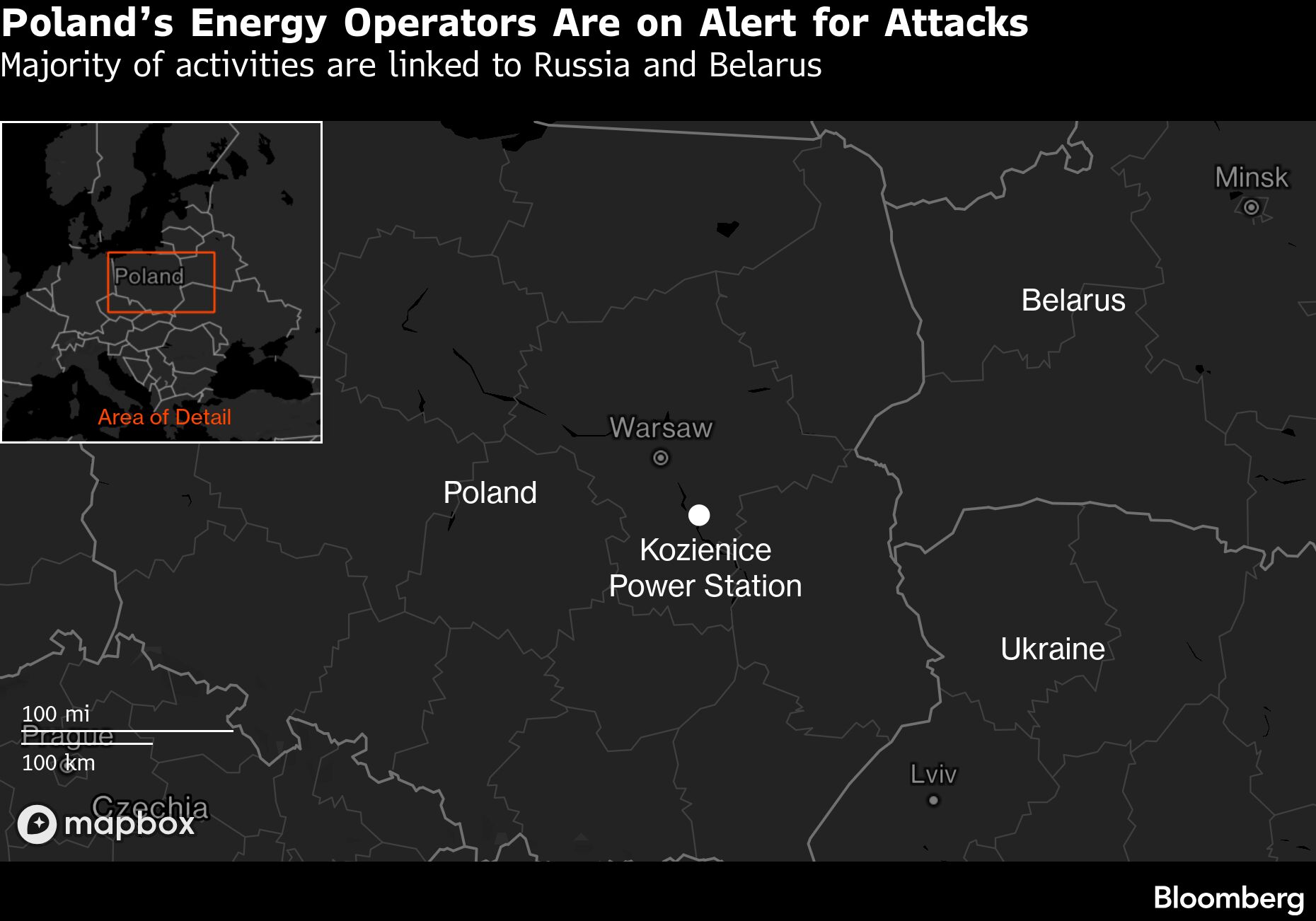
He has reason to be on alert. The security services have reported activities around some of its hubs, especially in the northeast of the country, which hosts a key backup for the Baltic countries’ energy system.
“Ukraine has had the greatest impact on the increase in the importance of security, and the related spending on protection,” Wagner said. “Formally, we are not at war, but we certainly no longer live in the classic conditions of peace.”
Top photograph: Workers clear damage at the Darnytsia Thermal Power Plant following Russian air strikes in Kyiv, in February 2026; photo credit: Andrew Kravchenko/Bloomberg
Topics Europe
Was this article valuable?
Here are more articles you may enjoy.
 Gulf Coast on Alert for First Hurricane of 2026
  Agency Network SIAA Acquires MGA Canopy Specialty Insurance
  Industry Reacts to Senators’ Letter for Claims Data and Recent Reports
  Sedgwick: Property Claims Face Delays, Are Growing More Complex

