

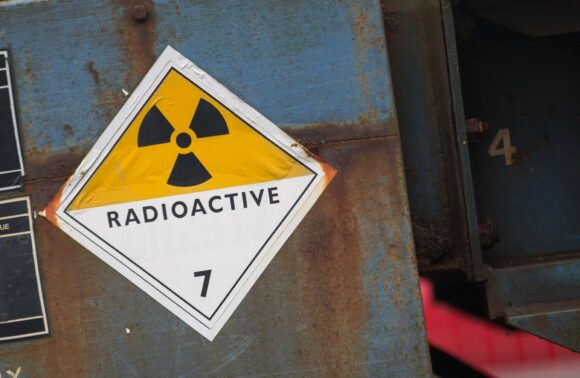
Groundwater containing low levels of radioactive material may have reached the edge of the Mississippi River, the energy company responsible for the leak from its nuclear power plant in Monticello, Minnesota, announced on.
Tritium, a radioactive isotope of hydrogen, has not been detected in the river water itself, Xcel Energy said in a statement.
“The closest sample to detect tritium is about 30 feet from the river, and detected about 1,000 picocuries per liter, far below Safe Drinking Water Act standards, or below 20,000 picocuries per liter,” the statement said. “Any presence of tritium in the river would be well below the Safe Drinking Water standard and likely at levels indistinguishable from what occurs naturally in the environment.”
The Minnesota Pollution Control Agency and the state Department of Health released a joint statement saying the latest development does not present a threat to public health, and there are no immediate impacts to the safety of drinking water or private wells, Minnesota Public Radio reported.
Xcel Energy discovered in November that about 400,000 gallons of water containing tritium had leaked from a faulty pipe. The utility made a temporary fix but learned in March that hundreds more gallons of tritium- laced water leaked, leading to a dayslong shutdown to fix the pipe.
While the utility and health officials say the leak is not dangerous, the issue has prompted concerns among residents and raised questions about aging pipelines.
More than half of the tritium that leaked from the pipe has been recovered, officials said in May.
The nuclear plant is about 40 miles northwest of Minneapolis.
Topics Mississippi
Was this article valuable?
Here are more articles you may enjoy.
 Former Trident Reciprocal CEO Ordered to Pay $468K in Attorney and Arbitrator Fees
 Fisherman Killed by 12-Foot Alligator at Central Florida Lake
 Florida AG Says His Office Investigating ‘Anti-Public Adjuster’ Endorsements in Policies
 Home Insurance Tops Property Taxes in Squeeze for US Households


