

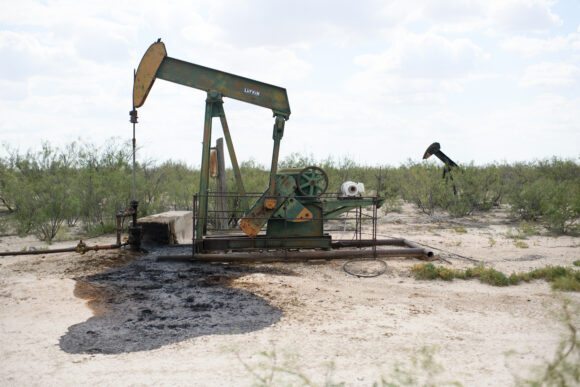
Texas is planning new rules to speed up its response to so-called zombie oil wells after the number of sites leaking toxic wastewater increased more than 50% this year.
Oil companies in the largest US crude-producing state are pumping so much wastewater underground that oilfield fluids are bursting through old wells and onto the surface, particularly in the Permian Basin. The Railroad Commission of Texas, the state’s oil and gas regulator, is proposing new emergency measures that would shut wastewater injection within a two-mile radius of a leaking well or compel nearby operators to clean up the site themselves.
The increasing severity of the situation means the regulator needs to address the root cause of the leaks, which often come from wastewater exerting too much pressure on old wells, it said in a March presentation seen by Bloomberg News.
“We can no longer simply solve the surface flow and ignore the subsurface situation,” the RRC said.
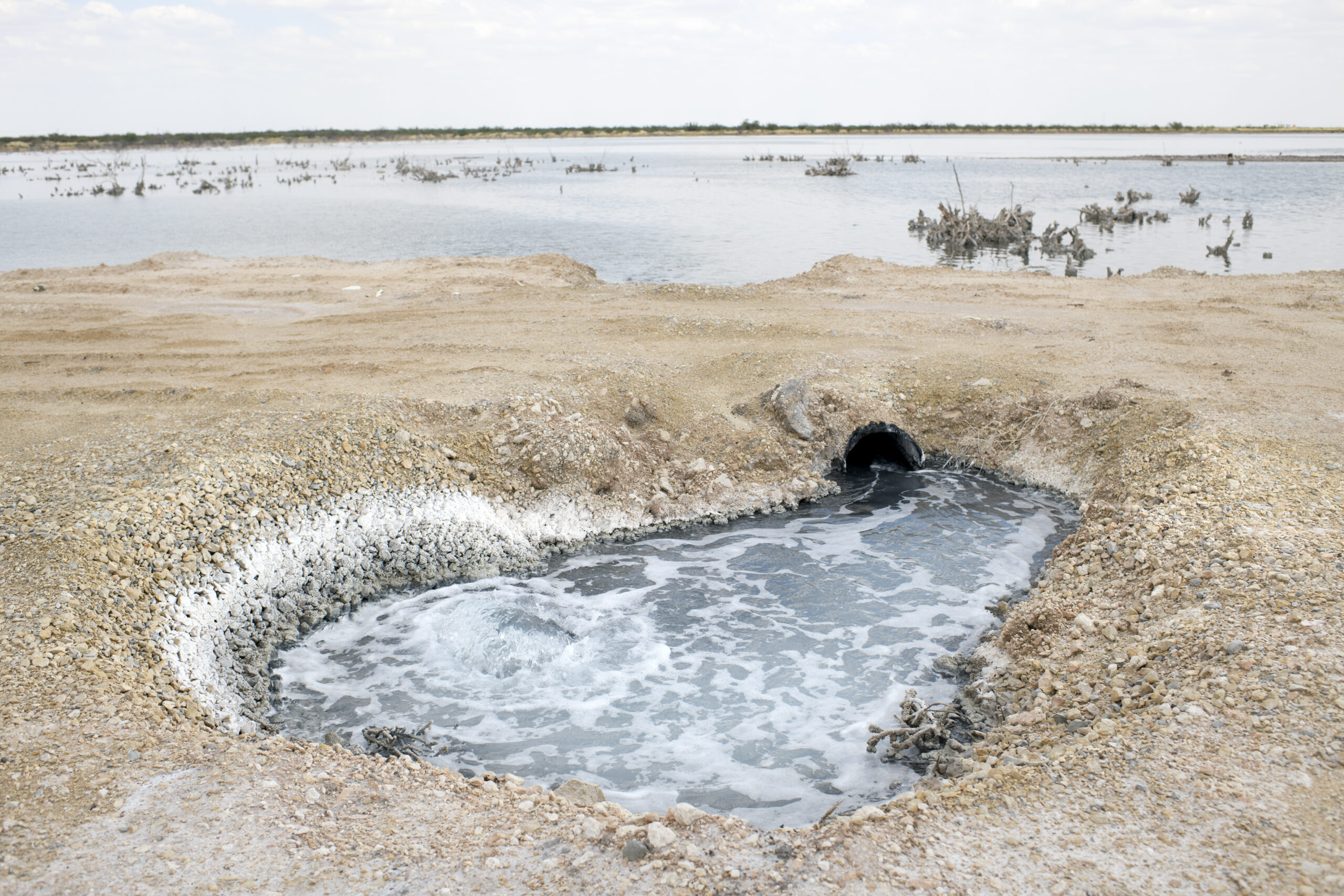
For every barrel of crude from the Permian, about three to five barrels of salt and chemical-laden water are produced — amounting to more than 20 million barrels a day. Injecting it deep underground causes earthquakes, but pumping the fluid into shallower formations can cause it to break through abandoned wells, creating “zombie wells” that appear to be coming back from the dead.
A Bloomberg News investigation last year found the RRC, faced with an uptick in earthquakes from wastewater injection deep underground, encouraged companies to dispose their wastewater in shallow areas despite knowing it could cause leaks onto ranch land and potentially harm drinking water. Chevron Corp., water disposal specialist WaterBridge and others had argued in presentations that shallow disposal did not cause earthquakes, but didn’t mention other risks related to shallow injection.
The RRC wants to see “greater operator participation” in reducing well pressure and water volumes, potentially shutting in wastewater disposal wells and increased sharing of data, it said in a statement. The regulator “anticipates future dialogue with affected stakeholders as we continue to pursue improvements.”
So far, oil production from the Permian — currently near a record high of about 7 million barrels per day, more than any OPEC member except Saudi Arabia — has yet to be affected by the crisis. But it could be in the future, Jim Wright, one of the RRC’s three elected commissioners, said at a Texas Christian University conference in Fort Worth on April 15.
Water “has caused some pretty big issues for us,” he said. “Issues that could really impede what we’re seeing in our production.”
There were 29 leaking wells a day across Texas on average so far this fiscal year, a 53% increase from last year’s average, the RRC said in the presentation. Earlier this week, an old well began gushing a mixture of oil and water on the premises of the First Baptist Church in the Permian Basin town of Grandfalls, Texas, local channel NewsWest9 reported.
“The operational realities are catching up with everyone,” said Sarah Stogner, the lawyer who first publicized the zombie well issue and is now district attorney for three West Texas counties in the Permian. “They have to admit that there’s a problem.”
The regulator is considering two options to better respond to the leaks.
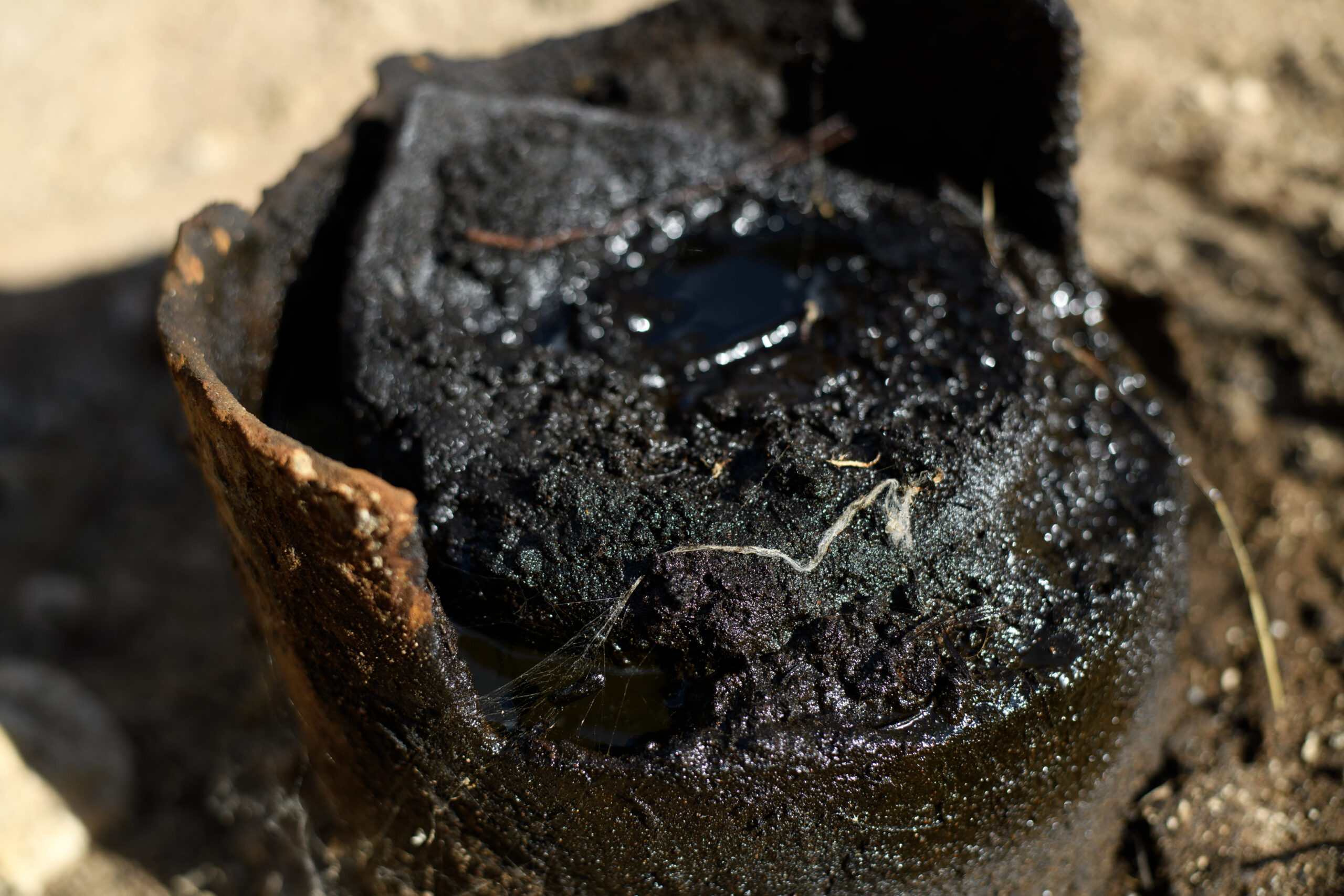
Under the first, the RRC would shut-in all water injection wells within a two-mile radius of the affected site and “take all measure necessary to terminate the uncontrolled release of fluid and protect fresh water,” according to the presentation. It would then require companies to prove their injected water is safely confined underground before resuming operations.
The second option is to delegate the response to an approved group of operators working near the leak who could draw on existing contractors and local knowledge to fix the problem. In this scenario, “the RRC can be flexible on the response radius and possibly other elements of the standard response,” it said.
In both scenarios, the RRC would help limit operators’ legal liability by declaring an ‘oil and gas emergency.’ The measure shields companies from civil liability because they would be helping a state-authority respond to an emergency situation.
“The RRC’s primary mission is to ensure that operators within our jurisdiction comply with rules designed to protect the environment and public safety,” it said in the statement.
Photo: Oil seeps into the ground from an abandoned leaky well near Imperial, Texas. Photographer: Mark Felix/Bloomberg
Was this article valuable?
Here are more articles you may enjoy.
 Uninsurable Future: Managing the Climate-Change-Fueled Home Insurance Crisis
  Viewpoint: The ‘Unbundled’ Insurer Emerges in Age of AI as Value Chain Fragments
  Sedgwick: Property Claims Face Delays, Are Growing More Complex
  Florida Injury Lawyer Suspended After Murder-for-Hire Arrest in 2021 Case

