

Waking up in a Waymo comes as a shock.
Ditto Kasendar remembers soft music drifting from the robotaxi’s speakers as he rode home late at night from a friend’s birthday party last year. The next moment, Los Angeles firefighters were opening the door and asking if he was OK.
His six-minute trip had ended nearly an hour before. A remote Waymo assistant, dialing in through the car’s speakers, repeatedly tried to rouse him and finally called 911 when he wouldn’t stir.
“I was like, ‘Oh my god, what happened?'” said Kasendar, 30, an interior designer.
Kasendar’s robocab nap was, unfortunately, not an isolated incident.
As companies like Alphabet Inc. and Tesla Inc. bring self-driving taxis to more cities, the messier aspects of serving unpredictable humans are becoming harder to ignore. Passengers are falling asleep, spilling drinks, dropping food, vomiting, experiencing medical emergencies and, in at least two instances, giving birth in the cars. They stumble out of the vehicles and forget to close the doors, forcing the operators to pay nearby gig workers to do it.
These seemingly minor nuisances are becoming a drain on municipal resources and complicating the rollout of robotaxi service.
So many robotaxi customers have nodded off in the midst of a ride that Austin police and firefighters even have a name for the incidents: “sleepers.” The Texas capital recorded 99 such calls in Waymo’s first nine months of service there, said Roger Patterson, a commander with Austin-Travis County Emergency Medical Services.
If tired or wasted passengers fall asleep in a traditional taxi or rideshare, the driver can shout or shake them awake. Not so in a robotaxi. Remote assistants monitoring the cars try talking through the speakers and checking on passengers with interior cameras. But if they get no response, company protocols often require them to call 911. And first responders have to assume the worst.
Austin dispatchers treat an incident as a potential heart attack if the remote assistant can’t tell whether the passenger is breathing, Patterson said. In the end, only about 3% of such calls require transporting the passenger to a hospital, he said. But the incidents tie up personnel who might be needed elsewhere.
“We don’t want to commit a significant number of resources to these calls when, statistically, we know that most of the time, these people do not need further medical treatment,” Patterson told an Austin City Council meeting in April. “These calls are very resource-heavy.”
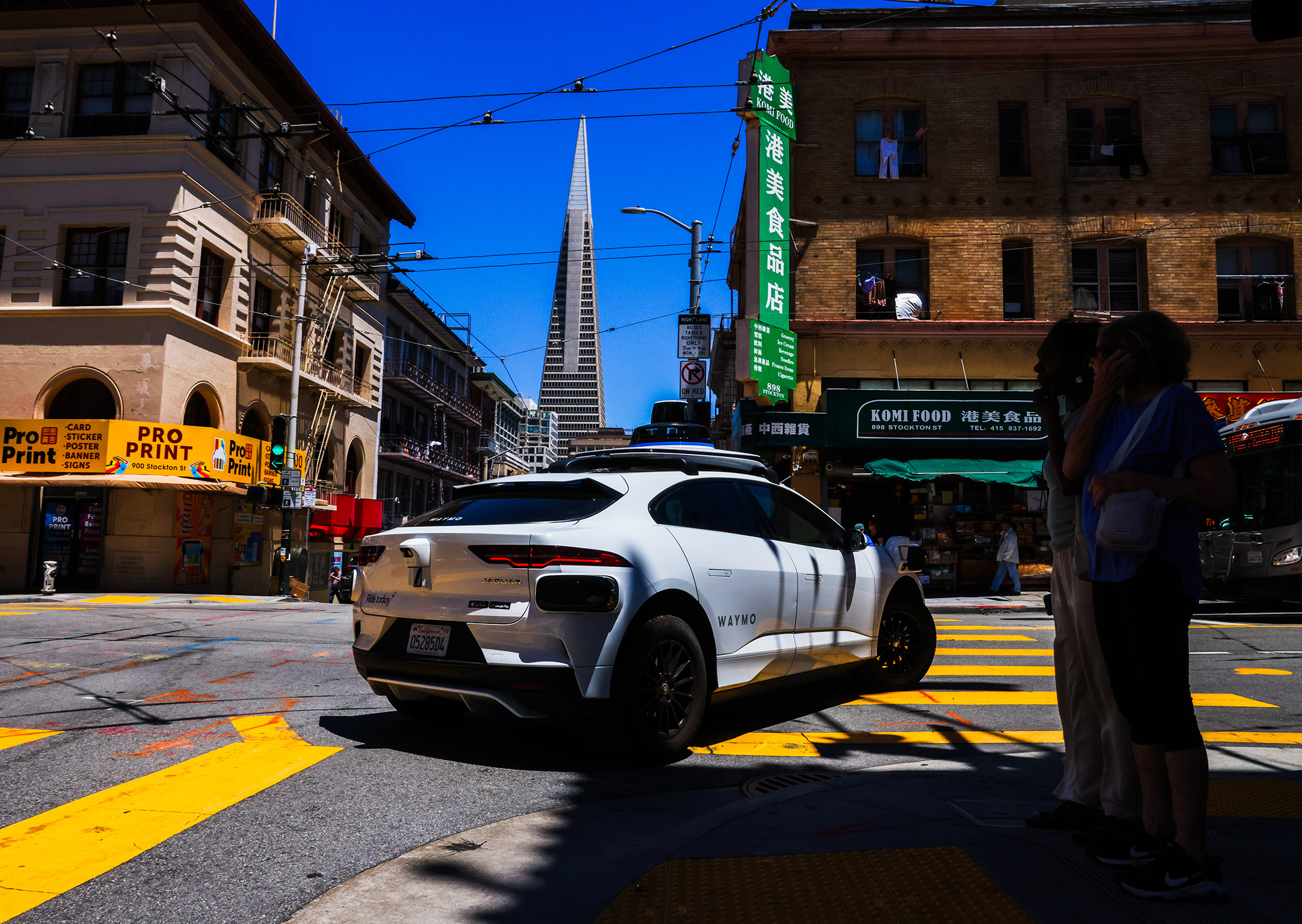
For the cities involved, robotaxis can pose other problems that require a human response. In San Francisco, more than 60 Waymos had to be moved out of the way after a widespread blackout in December left the cars paralyzed on city streets, in some cases blocking first responders.
Last week, the National Highway Traffic Safety Administration sent autonomous driving companies a letter saying some cars have been driving through emergency scenes, ignoring flares and traffic cones and obstructing ambulances. It urged the companies to find solutions and said the administration would set up meetings with them to ensure the problems are addressed.
“When someone else is there to take on the responsibility, then that divests the company of a lot of incentives to do something,” said Bryant Walker Smith, an associate law professor at the University of South Carolina and expert on automated vehicle technology. “Local governments are massively subsidizing the research and development and operation of automated driving.”
Tom Dwiggins, fire chief of a Phoenix suburb served by Waymo, said the companies need to standardize their procedures so first responders won’t have to guess how to immobilize vehicles, open car doors and contact remote assistants in an emergency.
“We would love to see one standard approach across the board,” said Dwiggins, with the Chandler, Arizona fire department. “If you expect a firefighter in a four-minute response to look up research, try to figure out which vehicle it is, what type of platform it’s on, what company — that’s not going to happen.”
Robotaxi companies don’t publicly report statistics on slumbering customers or mid-ride emergencies, making it difficult to gauge the scale of such problems. Most host cities aren’t in a rush to publicly discuss them, either. Officials in San Francisco, ground zero for the technology’s testing and deployment, did not disclose numbers despite repeated requests from Bloomberg, although Austin officials in a public meeting said San Francisco experienced 250 such incidents in 2025.
The rollout of autonomous taxis, however, can at times resemble a vast social experiment, testing technology and people alike.
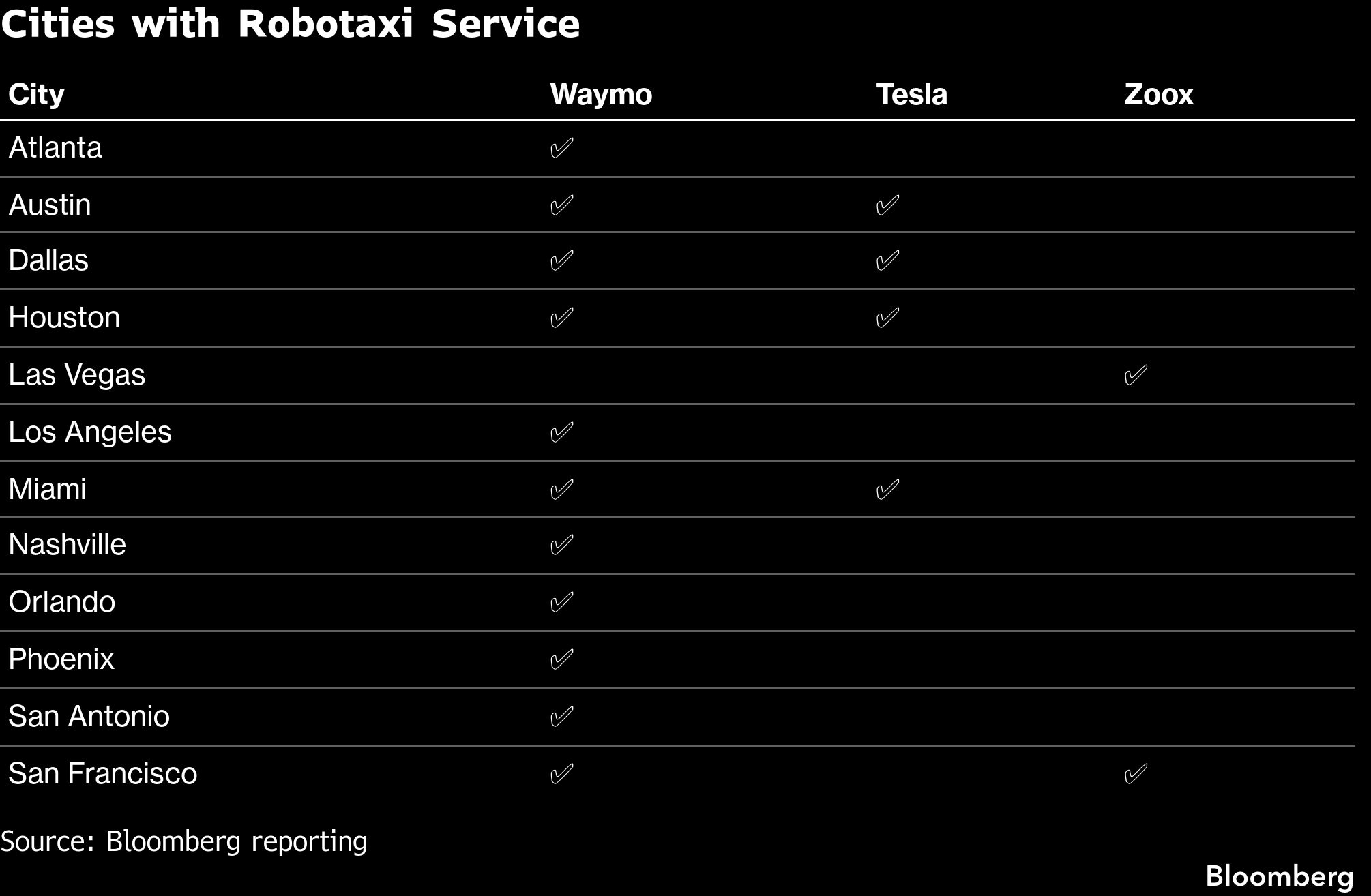
Alphabet’s Waymo, Amazon.com Inc.-owned Zoox and Tesla have had to design incentives to keep passengers from trashing cars that lack a watchful human driver. Tesla, for example, charges users $50 for moderate messes such as food spills or significant dirt. Smoking or leaving biowaste behind costs $150.
Waymo, meanwhile, prompts users to report their own spills, charging a $50 cleaning fee that jumps to $100 if the next passenger discovers the mess first. Repeat offenders — for trash and smoking violations — will be charged more, according to the company’s help page.
“Life happens, which is why we have robust systems and trained professionals ready to support our riders and fleet when it does,” said a Waymo spokesperson. “Since Waymo is a shared space, we ask riders to treat the vehicles with respect and let us know if a car needs more attention so it stays clean and pristine for the next person.”
The absence of a driver can lull passengers into thinking they can do whatever they want, unobserved. But the cars have internal cameras. Waymo’s remote team of support staff, for example, can access that footage to conduct cleanliness checks or if they detect unusual activity or rule violations.
And someone will always find the mess. Waymos — all of them electric — return to their depots when they require charging, giving workers a chance to clean the cars. If they have to deal with any sort of biohazard, they are paid extra for the shift, one former contractor told Bloomberg News. A recent job listing for an autonomous vehicle cleaner posted by Moove, Waymo’s fleet partner in Miami, included “respond to biohazard incidents (vomit, blood, spills) per OSHA bloodborne pathogen protocol” as one of the job’s responsibilities. “Full PPE and training are provided,” the posting read.
Social media show many passengers are willing to ride with some level of mess, even if it annoys them. They often post snapshots of the refuse, including beer cans, spilled fries, a half-eaten bowl — even cracked eggs.
Sarah Vasile, a frequent Waymo rider in Los Angeles, has found trash and alcohol left inside some vehicles. Her roommate recently took a ride during which BuzzBallz rolled out from beneath the seat. Still, Vasile considers the robotaxis cleaner than most human-driven cabs or rideshares.
Last year, Vasile realized she had stepped in dog poop just before her Waymo arrived. She hit the call button on the back screen of the car to report the issue to Waymo remote assistants, who thanked her and said the car would return to its depot after her trip was done. She wasn’t charged for cleaning.
“It made me feel good knowing that they weren’t going to send the car to someone else,” she said.
Preventing or cleaning filth, however, pales in comparison to the problems posed by medical emergencies en route.
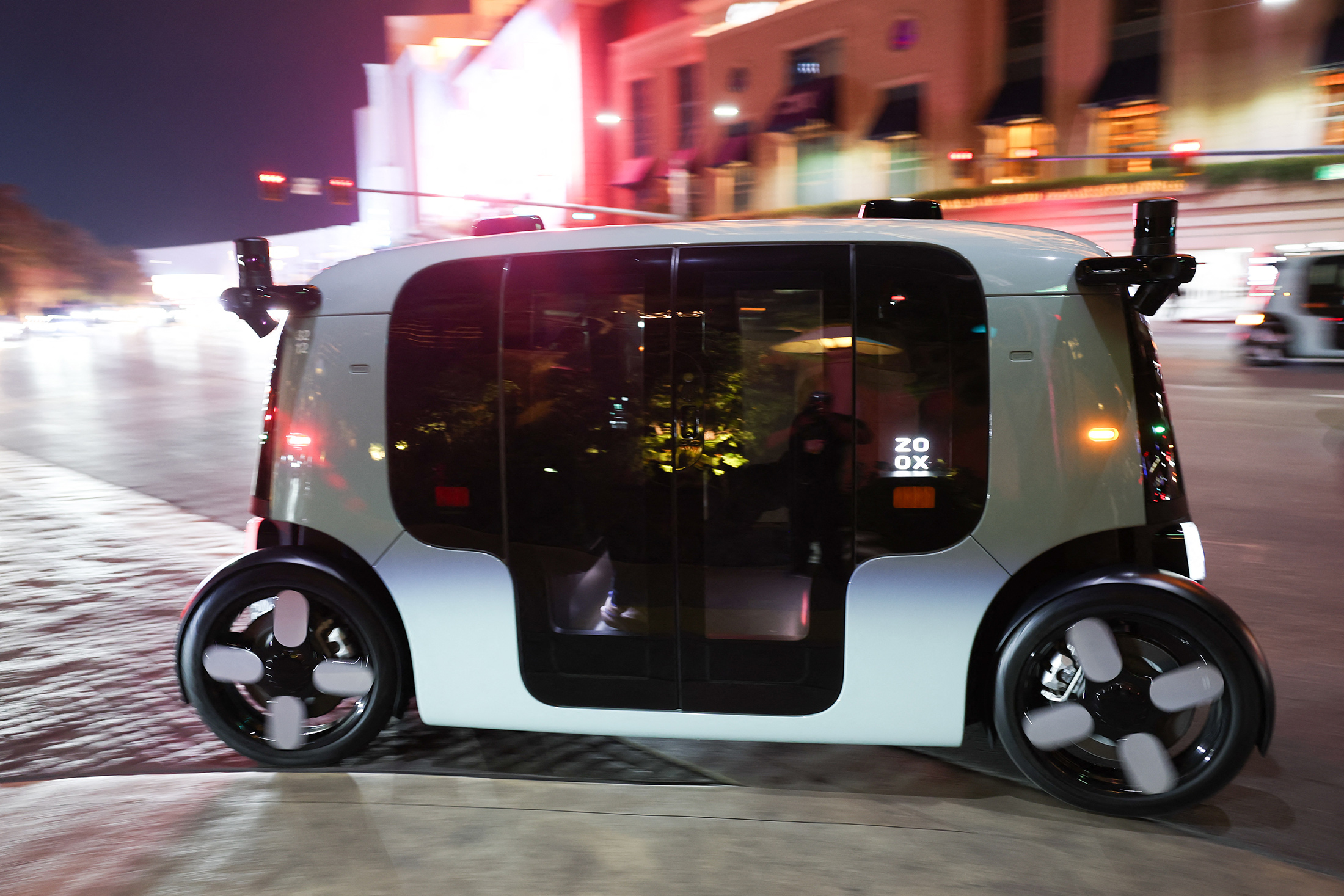
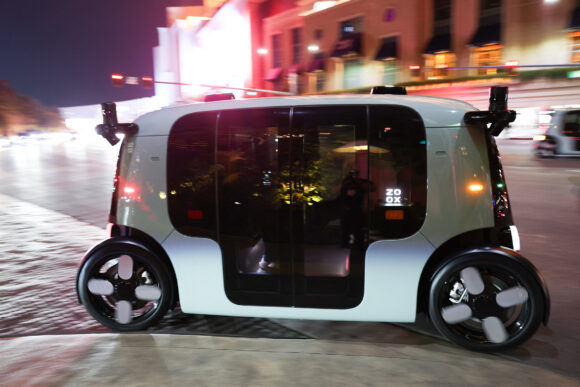
Waymo has a team of specialized, US-based agents dedicated to coordinating with first responders during incidents, according to the company’s written testimony to US Senator Ed Markey in February. Riders who experience a medical emergency can reach out to 911 directly or contact Waymo’s remote support staff via the in-car tablet. Zoox passengers can press the “emergency call” button located above them, on the screen, or on their app to connect with a support representative who will contact first responders as necessary, according to a company spokesperson.
In December, a passenger in San Francisco on her way to the hospital even gave birth in a Waymo’s back seat. The remote assistant called to check on the rider and contacted 911 after the vehicle detected “unusual activity,” according to NBC News. That marked at least the second Waymo delivery, following a similar situation in Phoenix.
David Margines, director of product management at Waymo, said the vehicles can offer a safer solution in emergencies than a traditional taxi or rideshare, whose driver may not know how to respond.
For his part, Kasendar said the response to his accidental nap made him even more likely to use Waymo, which he rides about four or five times a week. It didn’t hurt that the experience ultimately did not cost him more than the original $8 fare, even with the added time.
“It feels safer in a way,” Kasendar said. “With humans you don’t know what’s going to happen, but with Waymo you do know.”
Photo: A Zoox robotaxi in Las Vegas. Photographer: Patrick T. Fallon/Getty Images
Was this article valuable?
Here are more articles you may enjoy.
 Viewpoint: Beware These Commercial Auto Endorsements!
  Chubb Q3 Net Income Down Slightly on More Catastrophe Losses
  Insurer Rolls Out Policy to Protect Data Centers Against Growing Backlash
  How Federal Ban on Intoxicating Hemp Products Will Reshape Risk, Coverage

