
Eli Lilly, one of the world’s largest pharmaceutical makers, has won a federal court order against leaders of a Tennessee church and Florida and Tennessee-based pharmacy groups, after the drugmaker said the participants had crafted a years-long scheme that bilked Lilly of some $200 million in rebates for its popular weight-loss drug.
“Through extensive pre-litigation investigation, Lilly has identified a network of interconnected individuals and entities who, since at least 2020, have been exploiting Lilly’s practice of paying rebates to PBMs (pharmacy benefit managers) to systematically defraud Lilly,” reads the pharmaceutical firm’s argument for a temporary restraining order on the organizations.
U.S. District Judge Federico Moreno, in Miami federal court, granted the order on Tuesday, barring the church leaders, mail-order pharmacies, PBMs and health organizations from submitting any more rebate claims to Lilly; from destroying records and computer files; and from assisting others in those actions.
One member of the network, Misha Maynard, of Nashville, was separately ordered to quickly turn over names of all pharmacies, wholesalers, that the network has had an interest in, along with other information, the judge’s order reads.
Maynard’s brother, Jerry Maynard Jr., was also named as a defendant in Lilly’s legal action. He is a former Nashville Metro city councilman and is a leader of a Church of God in Christ-denomination church in Tennessee, according to news reports. The church was not named in the federal lawsuit, but other leaders, including bishops, were.
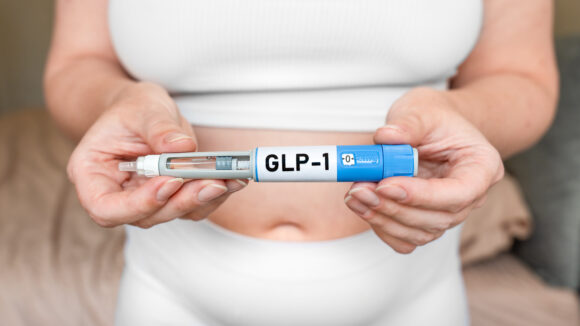
The scheme worked like this, Lilly said in court filings: Lilly is the maker of Trulicity, an extremely popular, glucagon-like peptide-1 agonist, or GLP-1 medication, used to treat diabetes and obesity. Due to the high cost of the drug, Lilly has provided rebates to PBMs.
Enter the defendants, DrugPlace Inc., with operations in Florida and Tennessee, and Community Health Initiative. Lilly has argued that DrugPlace has acted as a pharmacy and PBM for Community Health, which claims to provide a prescription cost-sharing program for uninsured members of the Church of God in Christ, explains Lilly’s filing in support of the restraining order.
“Under these pretenses, DrugPlace and its associates and affiliates have submitted (through intermediaries) hundreds of thousands of false rebate claims for Trulicity and defrauded Lilly out of more than $200 million,” Lilly said.
DrugPlace, in its capacity as a pharmacy, purports to dispense tens of thousands of prescriptions of Trulicity for Church members in the Community Health prescription cost share program each year, Lilly’s attorneys argued. “But most or all of those prescriptions and patients do not exist. The purported ‘cost share program’ is simply a front for fraud.”
DrugPlace and its affiliated organizations would purchase Trulicity from authorized distributors, then resell the medicine to other drug distributors or retail pharmacies on the secondary market, Lilly claimed in court.
“Indeed, Lilly has caught Defendants red-handed reselling its medicine to secondary drug distributors. DrugPlace, which is not licensed as a pharmaceutical wholesaler, obscures its role in the resale process by omitting itself in the chain-of-custody pedigree documents showing the medicine’s movement through the supply chain,” the pharma giant said.
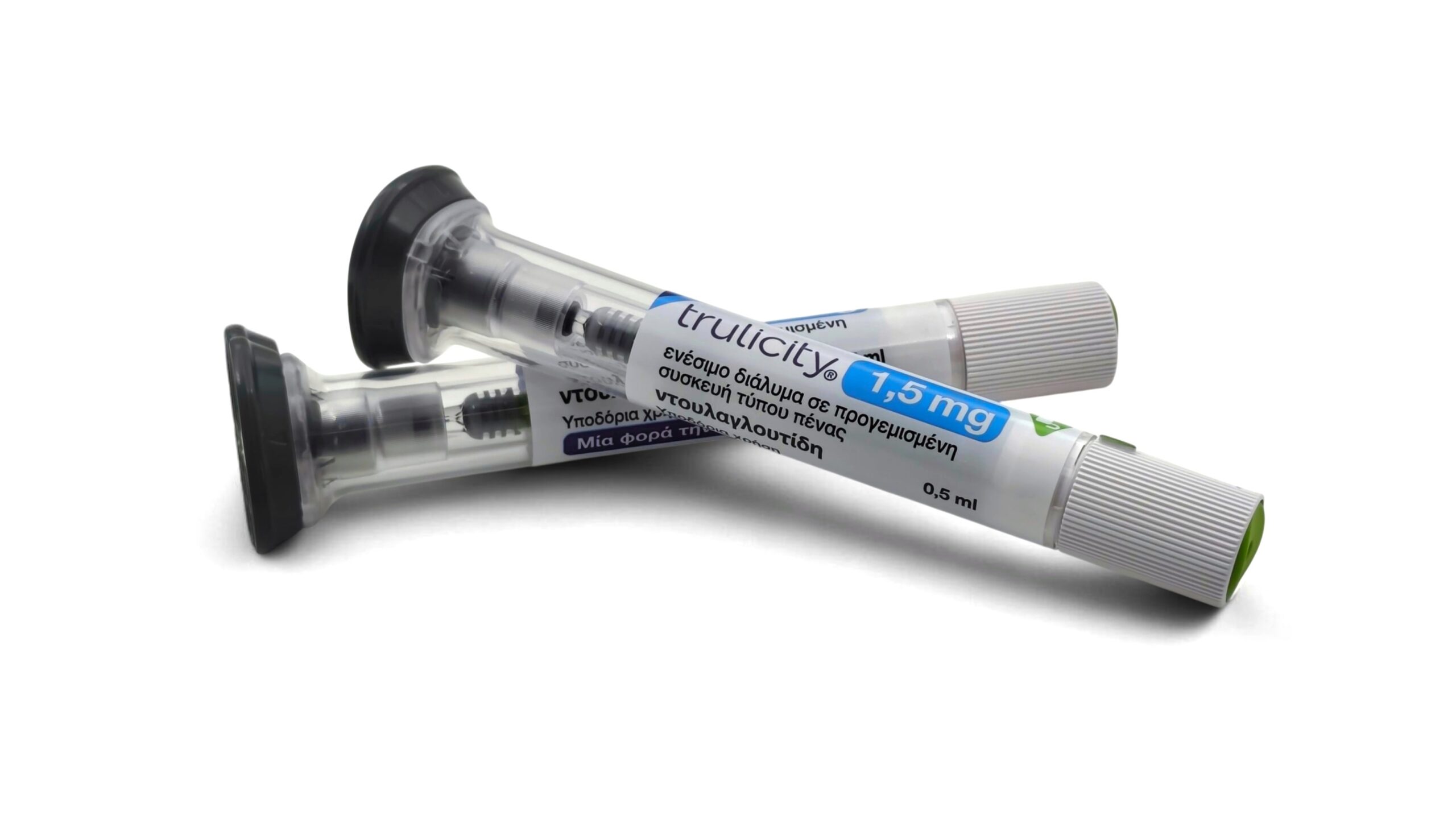 DrugPlace would not only resell the drug but would then submit claims for the rebates from Eli Lilly. The rebate claims falsely represented that Trulicity had been dispensed to patients—a necessary condition to qualify for rebates, the company said.
A Texas-based pharmacy, Galaxy Med LLC, which shares an office with DrugPlace, also was involved, attorneys said.
The alleged scheme began more than a decade ago, Lilly noted. Starting in 2011, Lilly and DrugPlace had a contractual relationship and rebate agreement, for at least three medications for needy patients. But by 2015, Lilly received some incriminating information from a DrugPlace business partner and began digging, court papers indicate.
Auditors visited DrugPlace headquarters in Hollywood, Florida, and uncovered abnormalities. For example, DrugPlace’s rebate data indicated that every single patient had been prescribed only a 30-day, rather than a 90-day, supply of insulin medications—even though insulin is often prescribed in 90-day supplies to improve adherence in chronic patients, the company said.
“In addition, every single rebate claim was for a patient’s initial fill of the medication or for their very first refill,” the court filing argued. “This made no sense: diabetes is a chronic condition, and patients with diabetes typically do not suddenly stop taking or filling their insulin prescriptions after one refill.”
Leaders of the network also refused to provide auditors with data that may have authenticated DrugPlace’s rebate claims.
Nearly ten years later, in 2025, while analyzing various data sources relating to the sale and distribution of its medicines, “Lilly discovered that DrugPlace was the source of enormous volumes of rebate claims, concealed through multiple layers of middlemen to circumvent Lilly’s decision not to do business with DrugPlace,” Lilly attorneys wrote. “Since at least 2020, DrugPlace had been submitting enormous volumes of rebate claims based on purported utilization of a single, different diabetes medicine: Trulicity.”
The defendants’ lawyers, in opposing the request for the restraining order, said that the named organizations, including DrugPlace and Community Health Initiative, are no longer operating. The Lilly allegations are unsubstantiated and based on conjecture, the defense attorneys wrote.
Liability insurance coverage for the church and nonprofit leaders was not mentioned in the court filings. Most nonprofit and commercial liability policies exclude coverage when fraud or illegal activities are involved, but an insurer may be obligated to provide a legal defense until the case is adjudicated, attorneys and risk managers have said.
On the other hand, the Lilly action is a civil action. It’s not clear if the church and PBM leaders will face criminal prosecution.
Trulicity and other GLP-1 weight-loss drugs are not usually covered by workers’ compensation programs, except on rare occasions when the medications may improve recovery after an injury or before surgery, explained Healthesystems, a workers’ comp benefits management firm.
Was this article valuable?
Here are more articles you may enjoy.
 Industry Reacts to Senators’ Letter for Claims Data and Recent Reports
  Kroger Plans to Slash 37% of Corporate Jobs in Next Three Years
  Banking Watchdogs Ramp Up AI Scrutiny as Stability Fears Mount, Sources Say
  Hordes of Teens on E-Bikes Force Suburbs to Rewrite Road Rules