


June 24, 2026 marks the fifth anniversary of the tragic collapse of Champlain Towers South in Surfside, Florida. Like many Floridians, I remember exactly where I was when I first heard the news. The loss of 98 lives was heartbreaking, and the event sent shockwaves throughout the condominium industry that continue to be felt today.
As an insurance professional specializing exclusively in condominium and homeowners associations, I have witnessed firsthand how Surfside changed not only the way buildings are inspected and maintained, but also how insurers evaluate risk and how boards approach their fiduciary responsibilities.
The Impact of Surfside on the Condominium Landscape
Five years later, it is clear that Surfside fundamentally reshaped Florida’s condominium landscape. Some of those changes have been positive and long overdue. Others have created significant financial challenges for associations and unit owners. The reality is that both can be true.
Prior to Surfside, many condominium associations operated under a maintenance philosophy that could best be described as “defer and delay.” Reserve funding was often waived or partially funded, major repair projects were postponed, and difficult conversations about aging infrastructure were frequently pushed into the future.
 While many communities were responsibly managed, Surfside exposed a broader issue that existed throughout Florida’s aging condominium stock: critical maintenance projects were often being delayed because boards were attempting to keep assessments affordable.
The Surfside tragedy changed that conversation overnight.
A New Level of Transparency for Associations and Underwriters
Today, milestone inspections, structural integrity reserve studies, and mandatory reserve funding have created a level of transparency that did not previously exist. Associations now have a clearer understanding of their buildings’ physical condition and the financial resources necessary to maintain them.
From an insurance perspective, this has been a significant positive development.
Underwriters today have access to more information than ever before. Engineering reports, reserve studies, inspection findings, and capital improvement plans provide insurers with valuable insight into how a building is being maintained. Associations that proactively address maintenance concerns are often viewed more favorably than those that continue to defer critical repairs.
In many ways, Surfside forced condominium communities to confront issues that had been accumulating for decades. However, those improvements have come with a cost.
With Improvements Come Financial Implications
The financial impact on condominium owners has been substantial. Across Florida, associations have faced special assessments, increased reserve contributions, engineering expenses, and major capital improvement projects. At the same time, they have also been dealing with one of the most challenging insurance markets in recent memory.
Although Surfside was not the sole cause of Florida’s insurance crisis, it undoubtedly contributed to increased underwriting scrutiny within the condominium sector. Carriers began asking more detailed questions about building age, deferred maintenance, structural reports, concrete restoration projects, and reserve funding practices.
The timing coincided with a period already marked by rising reinsurance costs, litigation pressures, inflation, and increasing catastrophe losses. The result was a perfect storm that led to significant premium increases for many condominium associations between 2021 and 2024.
As insurance professionals, we found ourselves spending more time than ever helping boards understand why premiums were increasing and what underwriters were looking for during the renewal process.
Fortunately, there are signs that the market is stabilizing.
Market Stabilization Is on the Horizon
Over the past 18 to 24 months, after the landmark legislative reforms were enacted, increased competition and improved carrier performance have helped bring greater stability to Florida’s community association insurance marketplace. While premiums remain elevated compared to historical norms, many community associations are now seeing meaningful premium reductions, along with broader coverage options and more favorable deductible structures.
The insurance marketplace today is also more disciplined than it was before Surfside. Insurers are placing greater emphasis on building condition, reserve funding, maintenance planning, and risk management. Associations that invest in their properties and address known deficiencies are generally rewarded with stronger underwriting outcomes than those that do not.
That is ultimately one of the most important lessons Surfside has taught us: Insurance should never be viewed as a substitute for maintenance.
Insurance Alone Is Not a Comprehensive Strategy
The strongest insurance program in the world cannot replace responsible governance, proper reserve funding, and proactive building stewardship. The communities that are positioned most favorably today are often the same communities that have embraced long-term planning and made difficult decisions when necessary.
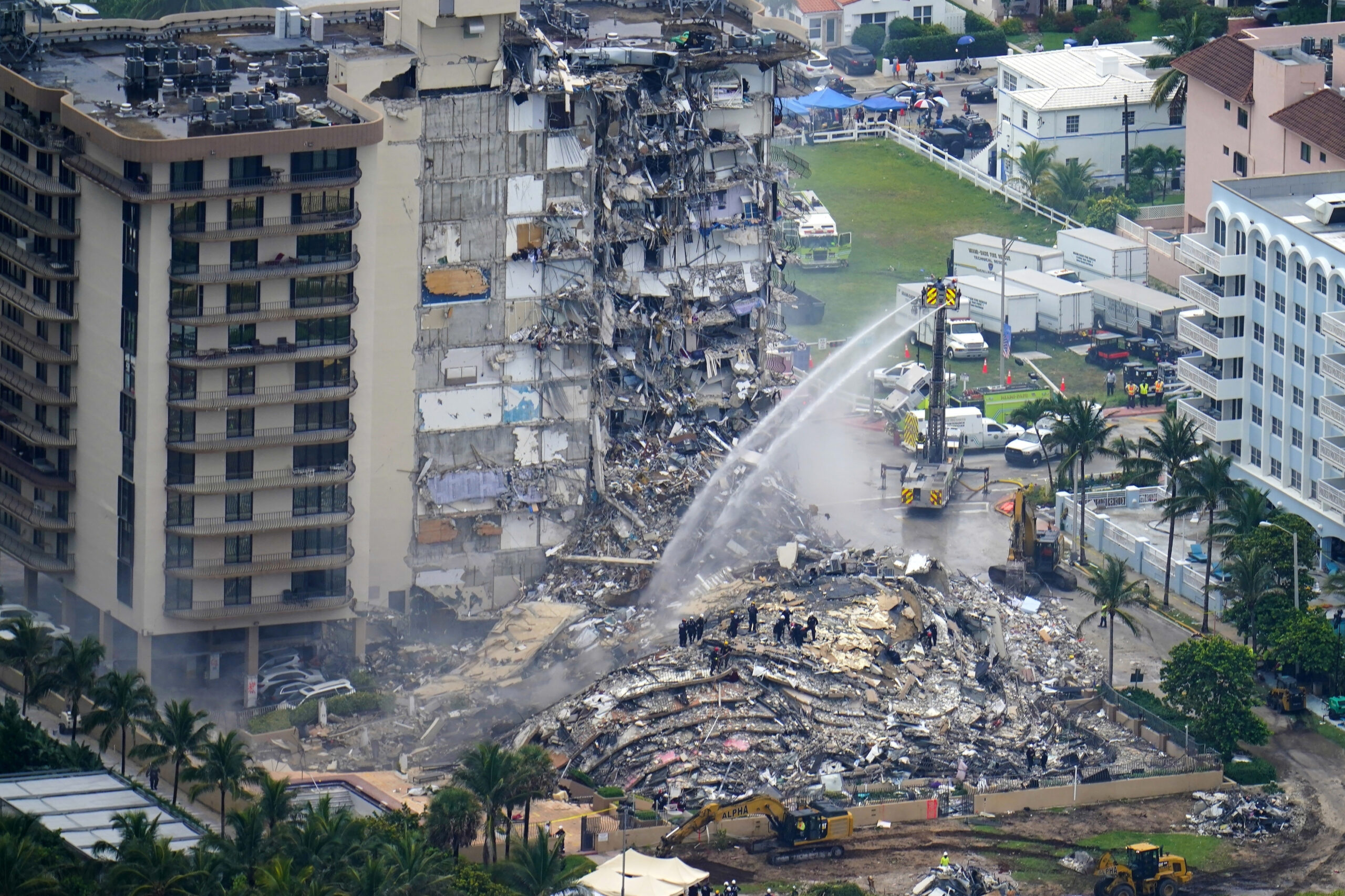
Five years later, the legacy of Surfside extends far beyond insurance premiums and legislation. It changed the way condominium boards think about their responsibilities. It changed the way insurers evaluate risk. Most importantly, it changed the industry’s understanding of what can happen when critical building needs go unaddressed.
No one would have chosen the circumstances that led to these changes. The human cost was far too great. But if there is a lasting positive outcome, it is that Florida’s condominium industry is now more focused on safety, transparency, and accountability than ever before. While the financial burden has been significant, the long-term goal is a safer and more resilient condominium environment for future generations.
Five years after Surfside, that may be the most important lesson of all.
Strengthening Risk Management for the Future
In today’s more transparent and disciplined market, actionable insight is essential. Associations that take a more strategic approach to risk management, supported by experienced advisors, are better positioned to protect their communities and plan confidently for the future.
Matt Mercier, based in Sarasota, Florida, is executive vice president of CBIZ Property & Casualty Insurance, one of the largest brokers for condominium association insurance in the country.
Top photo: Well-wishers visit a makeshift memorial for the victims. (AP Photo/Rebecca Blackwell)
Topics Underwriting
Was this article valuable?
Here are more articles you may enjoy.
 Florida AG Says His Office Investigating ‘Anti-Public Adjuster’ Endorsements in Policies
  KCC Says Isaias Insured Losses to Be $3 Billion; AM Best Calls Storm an Earnings Event
  Chubb Q3 Net Income Down Slightly on More Catastrophe Losses
  Broad AI Exclusions in Insurance Policies Could Create Uncertainty, Marsh CEO Says

