

A study of air pollution from western Colorado fracking wells found the highest rate of emissions came just after fracking was completed.
The research released this week didn’t measure the effects on human health, but it will help state officials devise such a study later.
Fracking, or hydraulic fracturing, uses pressurized water, sand and chemicals to break open underground formations and release oil and gas.
The study looked at methane and ozone-causing compounds released from new fracking wells.
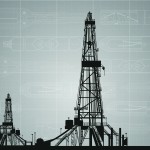 Jeff Collett, a professor of atmospheric science at Colorado State University, said the study found the emissions rate was highest when gas began to flow from the well, pushing the water and chemicals back out.
The $1.7 million study was funded by Garfield County and drilling companies. Collett discussed it with county commissioners Tuesday.
Related:
- Colorado’s High Court Holds State Law over Local Fracking Bans
- A Fracking Compromise for Colorado
- Colorado City Appealing Ruling Against Fracking Ban
- Colorado Commissioners Move Injection Well Proposal Forward
- Earthquake And Drilling Link Prompts Colorado Review
Topics Pollution
Was this article valuable?
Here are more articles you may enjoy.
 Hordes of Teens on E-Bikes Force Suburbs to Rewrite Road Rules
  AI Bubble Risks Worst S&P 500 Crash Since 2008, Strategist Says
  Alliant Insurance Acquires New Hampshire’s Melcher & Prescott
  Industry Reacts to Senators’ Letter for Claims Data and Recent Reports

