


There was a lot of news for Insurance Journal East readers in 2025, of course. While readership was strong across topics, readers showed special interest in number of topics and articles including reports on tragic events, recovery efforts, insurance affordability, fraud, lawyers, data breaches, jury verdicts and court rulings on coverage. Here are the top Insurance Journal East stories of 2025.
1. Uber Driving Lower Insurance Costs

Uber Spends Six Figures on Ads in Latest NY Insurance Reform Push
Remember the 2010 The Rent Is Too Damn High campaign by Jimmy McMillan? Many in New York, including rideshare leader Uber Technologies, now think auto insurance is too damn high, in part due to the insolvency of New York’s largest taxi insurer in 2024 but also due to alleged legal system abuse and fraud. Uber is spending millions on advertising and social media to convince lawmakers in Albany and elsewhere to act to lower insurance costs for drivers including rideshare drivers. Uber is among the funders of Citizens for Affordable Rates (CAR) that advocates for lowering insurance costs for auto, home, and health insurance it says have become a “growing burden for families and businesses alike, adding to an already severe affordability crisis in the state.” Delivery app DoorDash Inc. also began supporting local “pro-economy” candidates. Uber has taken aim at legal abuse. It has filed racketeering lawsuits and run ads against personal injury law firms, doctors and pain-management clinics it claims stage fake car accidents and performed unnecessary surgeries to take advantage of no-fault insurance policies. Gov. Kathy Hochul proposed a plan to stabilize the insurance market. New York City lowered the coverage requirement for for-hire drivers, aligning it with the state’s requirement for all other driver. This month the state told rideshare drivers their premiums would rise 25% over the next three years. Instead of just raising rates, the government should find out why costs have gone up so much, Uber argued.
2. Baltimore Bridge Collapse a Year Later

Single Loose Wire Led to Blackout That Caused Dali Crash Into Baltimore Bridge
A plastic label on a single loose wire that blocked the wire from being fully connected caused an electrical blackout that led to the fatal collision of the 984-foot-long containership Dali into Baltimore’s Francis Scott Key Bridge in 2024. Investigators from the National Transportation Safety Board (NTSB) yesterday reported that the loose wire in the ship’s electrical system caused a breaker to unexpectedly open. That in turn triggered a sequence of events that led to two vessel blackouts and a loss of both propulsion and steering near the 2.37-mile-long Key Bridge on March 26, 2024. This story answered the question of how the fatal collision of the Dali into Baltimore’s Key Bridge happened in 2024. It drew renewed attention to other stories including the effects of the bridge collapse on the local economy and the recovery effort, federal investigators’ claims that the collapse could have been avoided, the rising costs to rebuild the bridge, and the ongoing litigation over what parties are at fault and will pay.
3. Tragedy at Assisted Living Facility
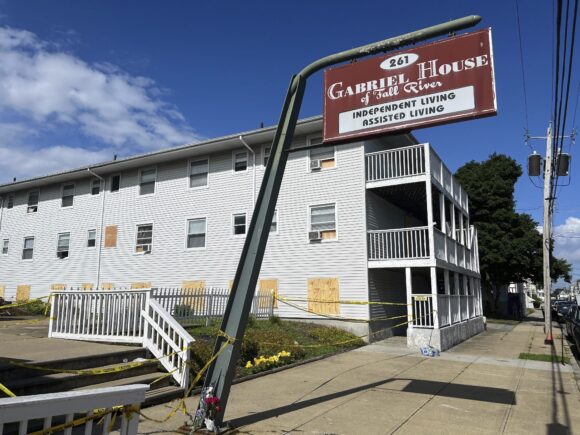
Deadly Massachusetts Fire Highlights Assisted Living Regulation, Staffing
A fire at a Massachusetts assisted-living facility in July killed 10 people and injured 30 others. The fire at the Gabriel House in New Bedford was the deadliest in the state in four decades. It is believed to have been caused by either someone smoking or an electrical issue with an oxygen machine. The Gabriel House tragedy highlighted the safety lapses, staffing issues and lax regulations governing assisted living facilities, which are growing in number nationwide. The tragedy prompted the state to develop more stringent safety measures for assisted living facilities. Lawsuits have begun. Four residents have sued the owner and the fire safety equipment firm. The owner and the fire system inspection are suing one another. New reporting indicated the owner does not have any liability insurance.
4. June Brings Twin Data Breaches

Erie and Philadelphia Insurance Still Working on Restoring Their Networks
The month of June saw two popular Pennsylvania insurers grapple with somewhat similar network outages affecting major systems around the same time. The insurers’ many agents and customers followed the event closely. All systems were eventually restored. Insurers say they were not ransomware events.
5. Teacher Shot by Student Wins at Trial

Jury Awards $10 Million to Virginia Teacher Shot by 6-Year Old Student
A jury in Newport News, Virginia awarded $10 million to a teacher who was shot by a 6-year-old student. Abby Zwerner, who was shot in January 2023 in her first-grade classroom, had asked for $40 million against a former assistant principal, Ebony Parker. Zwerner originally also sued the school district’s superintendent and principal but a judge dismissed the claims against them, leaving Parker as the only defendant. Parker did not testify during trial. She also faces criminal charges of felony child neglect. The Newport News School Board originally argued that Zwerner should not be allowed to sue for what it said were workplace injuries. The school board maintained that Zwerner’s $40 million lawsuit was barred by the state’s workers’ compensation law that is the exclusive remedy for workplace injuries. However, a circuit court and then the Virginia Court of Appeals cleared the way to a trial for Zwerner’s negligence suit. Zwerner successfully argued that being shot by a student should not be considered an expected condition for the job of a teacher and thus her injuries do not fall under the state’s workers’ compensation system. The courts agreed.
6. Insurance Not Triggered in Killing

Insurers Escape Coverage for Parents Accused of Hiding Son’s Murder Weapon
In the year’s most-read insurance court decision, a Pennsylvania husband and wife were found to be not covered by their homeowners or personal umbrella insurance policies for claims that they inflicted emotional distress by hiding the gun their son used to kill a friend and thus delaying discovery of the victim’s body. A federal appeals court upheld the dismissal of coverage claims brought by Kimberley and Howard Rosenberg against Chubb Indemnity Insurance Co. and Hudson Insurance Co. The courts agreed that coverage was not triggered because the parents’ behavior was not an accident and also because criminal acts are not covered by insurance. After their adult son shot and killed his 22-year-old former classmate at their house, the couple allegedly delayed discovery of the murder weapon and the victim’s body. Based on that delay, the victim’s mother sued the homeowners for intentional infliction of emotional distress. The homeowners then sought defense representation under two of their insurance policies – their Chubb homeowners policy and their Hudson personal umbrella policy. Both policies imposed a duty on the insurers to defend the insureds against claims related to “accidents,” though the two polices used different language to describe the accidents that would trigger coverage. Both insurance companies denied coverage.
7. Ice Cream Recall Dispute

Ice Cream Sandwich Maker Blames Agent for Lack of Recall Insurance After $4.5M Loss
In another insurance court case that caught readers’ attention, the maker of Chipwich ice cream sandwiches sued its insurance broker alleging the agency was negligent in failing to properly secure product recall insurance that would have helped it deal with what it claims is a $4.5 million loss stemming from a product recall. Frozen food manufacturer Crave Better Foods of Greenwich, Connecticut, blamed its insurance broker in Riverside, Connecticut, for leaving it unprotected for a product recall of Chipwich products. The outcome isn’t final yet, but in September 2025, a Connecticut judge denied the insurance broker’s attempt to dismiss key parts of the lawsuit.
8. Battling Trial Attorneys

Two High-Profile Personal Injury Law Firms Sue… Each Other
Insurance folks tired of hearing about personal injury law firms going after those “greedy insurance companies” tool some delight in learning that two high-profile Boston-area personal injury law firms are going after each other over allegations of trade secret theft, breach of loyalty, conspiracy, unfair competition and more. One firm is accusing the other of stealing its business model that has been the key to its nationwide success. The other insists that it didn’t steal anything, and it would never do business the way the accuser does
9. Law Firms Scheming?

Racketeering Suit Alleges NY Insurance Fraud Scheme by Lawyers, Medical Providers
A New York specialty insurance managing underwriter for contractors and construction risks sued a New York City personal injury law firm and dozens of medical providers, alleging a wide-ranging scheme to defraud insurers through staged construction accidents and fraudulent medical treatments. The 162-page federal Racketeer Influenced and Corrupt Organizations Act (RICO) action marks the fifth such legal action Roosevelt Road Specialty and its reinsurance program for contractors and construction, Tradesman Program Managers, have filed since March 2024 against various medical providers, medical centers and law firms in the greater New York metropolitan area. The complaint filed June 16 in the Eastern District of New York targets the law firm of William Schwitzer & Associates, P.C. and its principals William Schwitzer and Giovani Merlino, along with physicians, chiropractors, and other medical providers who allegedly conspired to recruit construction workers — many of whom the lawsuit says were undocumented — to stage or exaggerate workplace injuries. These workers were then referred to various allegedly complicit clinics to undergo what the suit claims were unnecessary and invasive medical procedures, including surgeries, in order to inflate personal injury and workers’ compensation claims. According to the complaint, the scheme was carried out from at least 2018 to the present, with a “marked escalation” since 2020.
10. Brown University Shooting
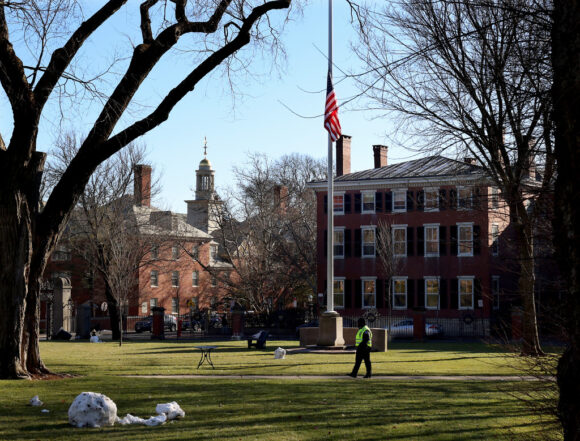
Frustration Mounts as Brown University Shooter Remains at Large
The December 13 shooting at Brown University in Rhode Island took the lives of two students and injured nine others. The accused shooter, who was also tied to a second shooting of a professor in Massachusetts, was found dead in a storage facility in New Hampshire. The tragedy raised questions about the security at Brown and other campuses. Much of the focus has centered on whether the Ivy League school had security cameras installed in the building where the attack took place in and the overall ease of accessing campus buildings. The university’s police chief was placed on leave.
Was this article valuable?
Here are more articles you may enjoy.
 Hordes of Teens on E-Bikes Force Suburbs to Rewrite Road Rules
  Viewpoint: The ‘Unbundled’ Insurer Emerges in Age of AI as Value Chain Fragments
  Hurricane Isaias Reaches Cat 3 Status as Insurers, Adjusters, Property Owners Prepare
  Iran Ramps Up Ship Attacks in Hormuz as Oil, Gas Flows Rise

