

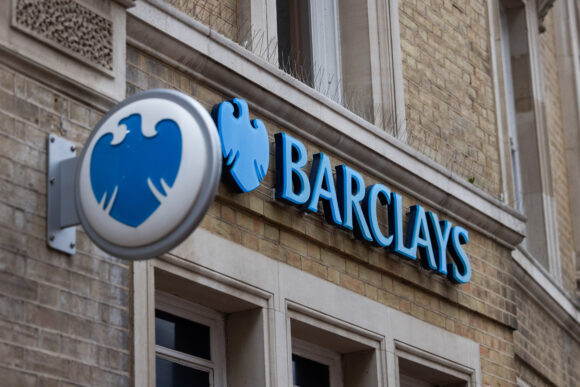
Barclays Plc has been stepping up its review process to ensure it detects client exposures to intensifying flood risks.
The bank has been running internal models to make sure it’s tracking different scenarios, said Amit Puri, its head of sustainability for business. “You essentially get a higher level of review on some of these areas where there is potential for there to be a higher flood risk.”
The process has developed over the past couple of years as Barclays reacts to the increasingly pronounced threat of flooding, Puri said. There is also growing anxiety in the UK about the availability of insurance for properties at risk of flooding. Last year, the Bank of England’s Prudential Regulation Authority unveiled guidelines adding to pressure on banks to conduct closer analyses of flood, storm and other climate-related risks.
Read more: England Has 1.2 Million Buildings at Risk of Flooding With No Defenses
Barclays on Tuesday published a survey of UK business leaders, which showed that 86% have already had difficulty obtaining climate-risk insurance. At the same time, half those surveyed have directed capital away from areas perceived to be at higher risk of extreme weather shocks, while roughly one in 10 said climate change has played a role in decisions to close down or scale back business in the past five years.
Over 40% of businesses in real estate and housing said they’d reallocated investment to focus on resilience to extreme weather instead of on cutting emissions. More than half those surveyed in those sectors said they’d invest in resilience if they had more information about how this might help their business. Across all businesses, flood risk was the top climate factor in determining the appeal of a location.
Banks in the UK are under growing pressure to demonstrate they understand the risks posed by climate change, particularly with regard to flooding. A reinsurance program, Flood Re, currently allows customers with homes at high risk of flooding to obtain affordable insurance, but it’s set to end in 2039 and doesn’t cover homes built after 2009.
The urgency of allocating capital to protecting assets from the physical fallout of climate change is growing, Puri said.
“We were always aware of it, but we didn’t necessarily think it would happen until quite some time in the future,” he said. “Those physical risks that we used to think about academically maybe in 2017, 2018 are starting to materialize a lot sooner.”
Barclays surveyed leaders of 700 mid-sized, large and very large businesses in the UK. The research covered sectors including agriculture, hospitality, manufacturing, housing and transport.
Related:
- Banks Start Reviewing Clients’ Loan Terms as El Niño Builds
- UK Tries to Map Out Risks to Public Services of Extreme Weather
- Prime London Homes Are Increasingly on Frontlines of Extreme Weather
- Flood Re to Cut Insurance Payouts to Richest UK Households
- Britain’s Garden Habits Are Making Their Homes Harder to Insure
- UK Banks Slammed by Flood Re’s CEO for ‘Ignoring’ Mortgage Risks
Topics Flood
Was this article valuable?
Here are more articles you may enjoy.
 GM to Pay $220M to Settle Privacy Claims Over Sale of Driver Data to Insurers
 Binance’s $6.3 Billion Hack: How Crypto Insurance Works
 Florida AG Sues Climate Modeler First Street Over Home Risk Scores
 Markel Expects to See Runoff Certainty With Enstar’s $1.2B Adverse Development Cover


